
Why Traditional Training Is Failing Younger Industrial Workers. The problem isn't the workers. It's the method.
The problem isn’t younger workers. It’s the training method. This blog explores why passive training struggles to hold attention and improve retention, and why simulation-based learning is becoming a more effective approach for industrial training environments.
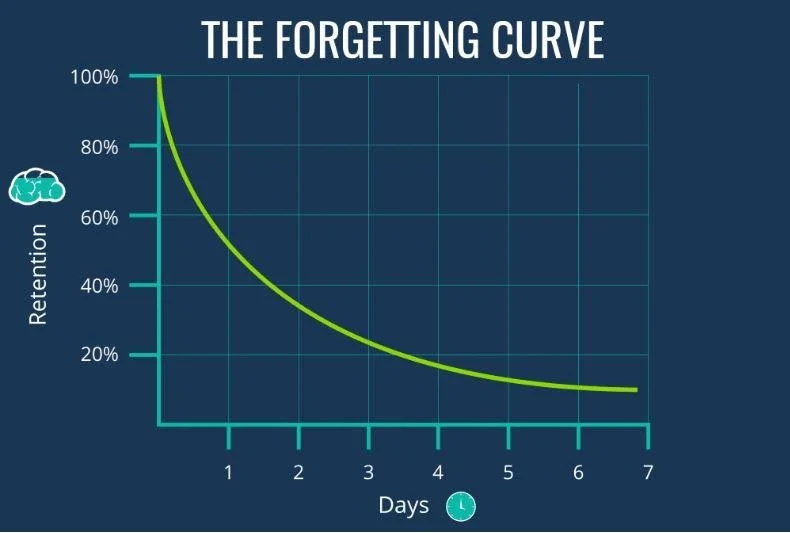
Why People Forget 70% of Training in 24 Hours and How Simulation Fixes That
Most training programs are designed in ways that guarantee forgetting. Research shows people forget nearly 70% of new information within 24 hours unless it’s reinforced. This blog explores why traditional training struggles against the science of memory—and how interactive, browser-based simulation helps improve retention through active learning and repetition.
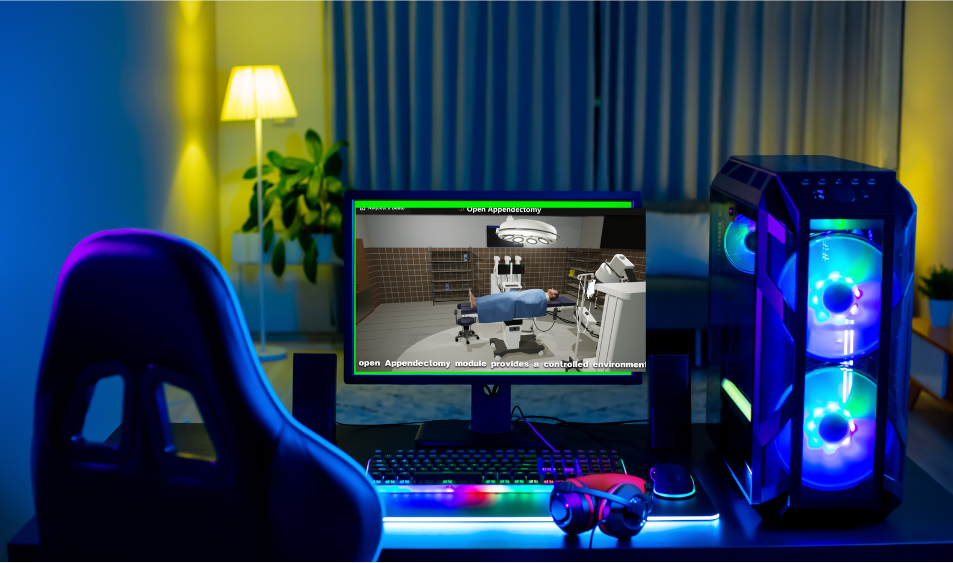
The Readiness Gap: Why Medical Students Are Knowing More and Practicing Less
Medical students today have access to more information than any previous generation, yet many are getting less hands-on practice than ever before. As medical education shifts toward pass/fail testing, reduced clinical exposure, and digital-first learning, a new challenge is emerging: the readiness gap between knowing and doing. This article explores why competency-based simulation training is becoming essential for preparing future clinicians to perform under real-world pressure.
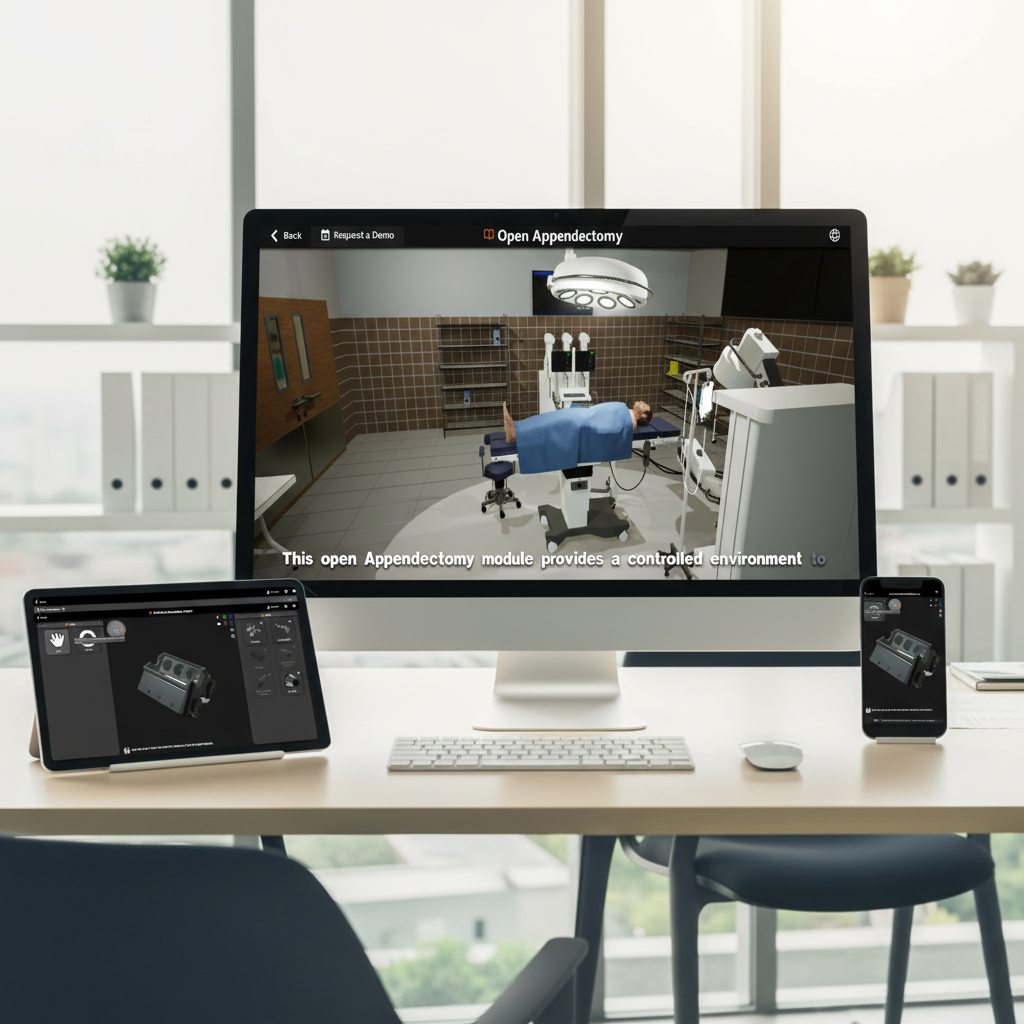
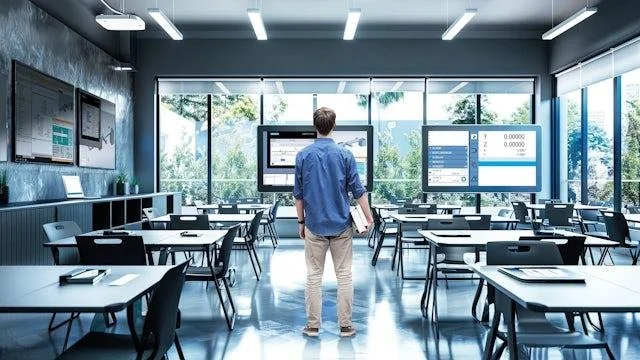
What Competes With Training Simulators and When Should You Use Each?
Training simulators aren’t replacing traditional methods but they are exposing their limits. As organizations look to scale training, reduce risk, and improve consistency, the question isn’t what to replace, it’s what to use, when, and why.
AI in Training Simulators: Where It Actually Adds Value
AI in Training Simulators: Where It Adds Real Value (Without the Hype)
The Simulation Access Problem: Why Most Training Tools Don’t Get Used
Organizations spend millions on workforce training, yet many still struggle to close the gap between training completion and real-world performance. What's actually working today? Leading companies are shifting toward experiential learning, simulation, continuous practice, and competency-based development that helps employees perform when it matters most. Discover the trends reshaping workforce training and why browser-based simulation is becoming a key part of the solution.
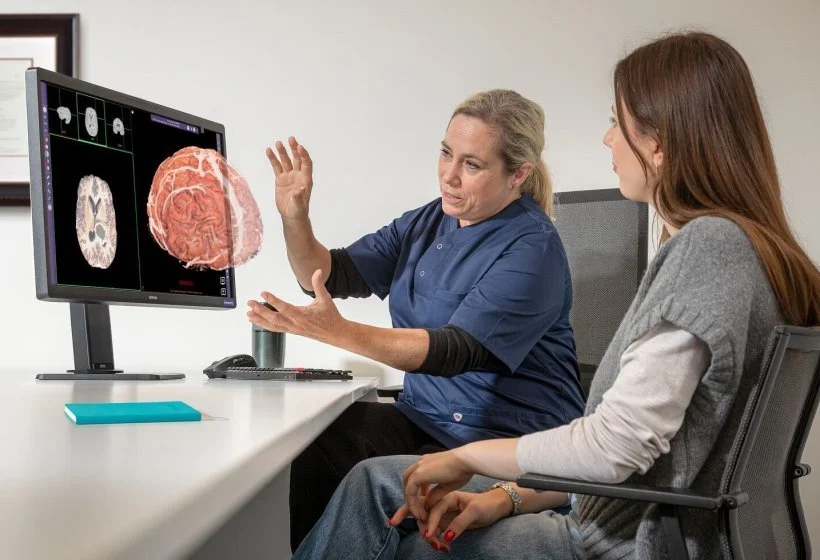
From 2D Imaging to Interactive 3D: A New Era of Clinical Visualization
From 2D Imaging to Interactive 3D: A New Era of Clinical Visualization
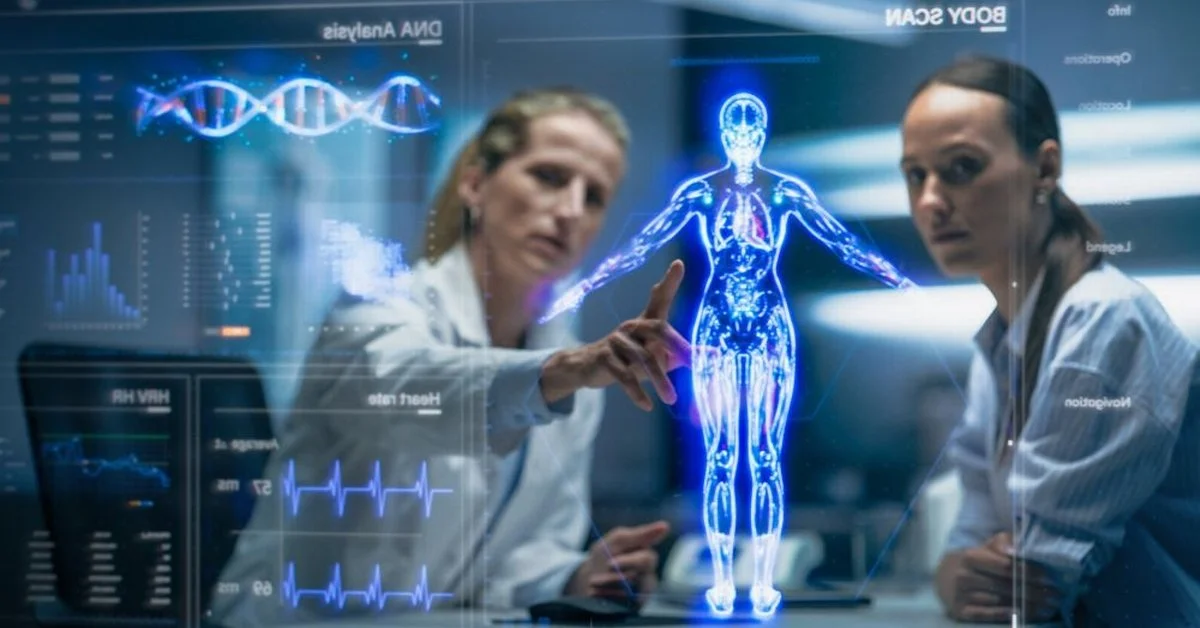
Why Medical Simulation Is Moving Beyond Dedicated Labs and Into the Browser
Why Medical Simulation Is Moving Beyond Dedicated Labs and Into the Browser
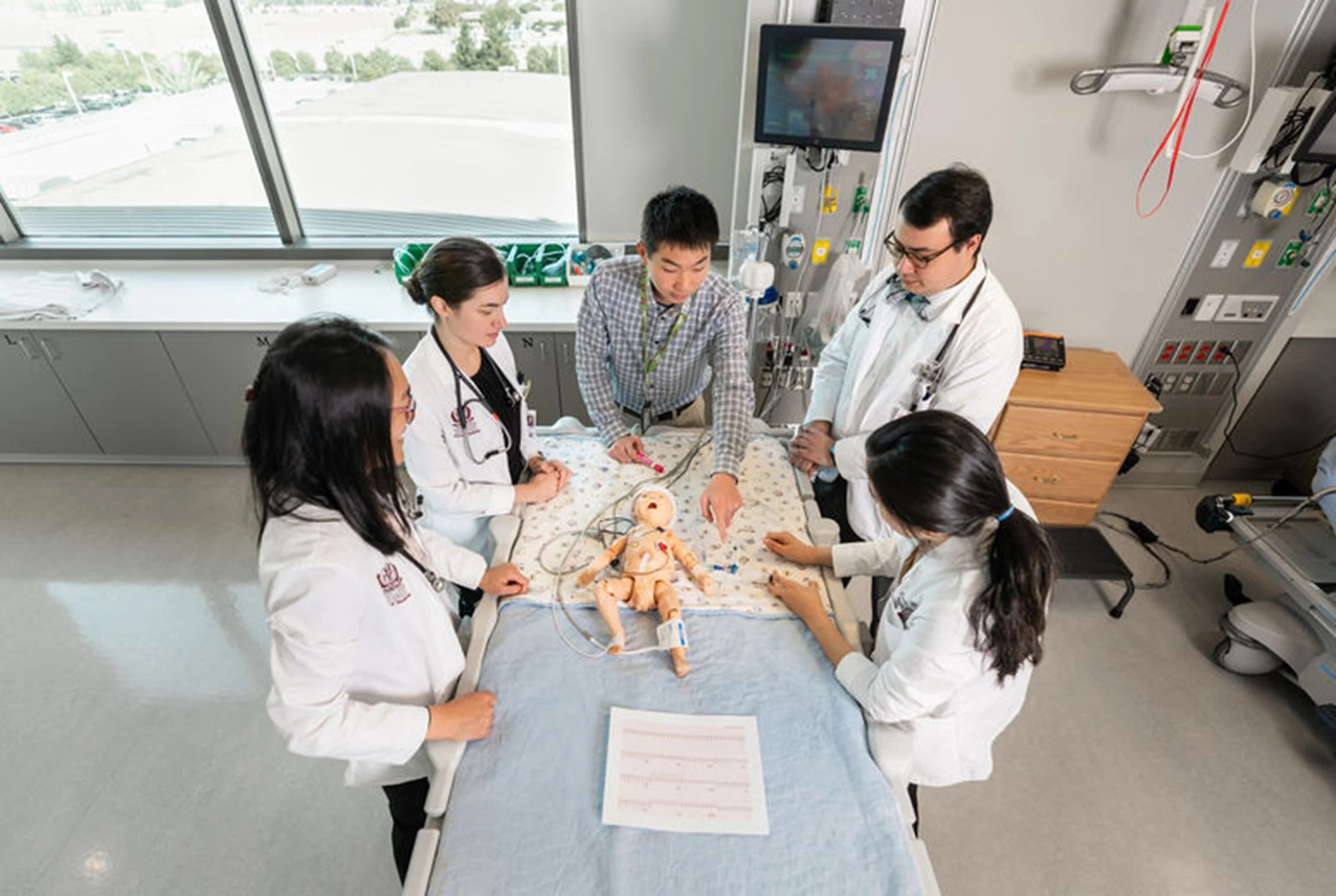
Advancement in Simulation Technology: What’s Shaping the Next Generation of Medical Training.
Advancements in Simulation Technology: What’s Shaping the Next Generation of Medical Training