
The Simulation Access Problem: Why Most Training Tools Don’t Get Used
Organizations invest heavily in training.
Empty Classroom
They purchase platforms, develop content, build programs, and roll out new initiatives with the goal of improving performance, safety, and workforce readiness.
But there’s a problem that often goes unaddressed.
Many training tools, especially simulation-based ones, simply don’t get used as often as intended.
Not because they lack value, not because employees don’t need the training.
But because they’re difficult to access.
The Gap Between Investment and Usage
On paper, training programs often look successful.
Courses are completed. Systems are in place. Content is available.
But when you look closer, a different reality emerges.
Training is accessed infrequently
Employees struggle to find time to engage
Scenarios are only used during scheduled sessions
Tools sit idle outside of formal training windows
This creates a gap between what organizations invest in training and what employees actually use in practice.
The Access Barrier No One Talks About
The biggest issue isn’t always the quality of the training—it’s the friction required to access it.
Many training tools come with hidden barriers:

Limited Access to Training Facilities
requiring specific hardware or devices
needing software installation or updates
limited availability in dedicated training environments
dependency on instructors or scheduled sessions
restricted access to certain locations or networks
Each of these barriers may seem small on its own. Together, they create enough friction to discourage frequent use.
When access is difficult, training becomes an event, not a habit.
Why Frequency Matters More Than Content
Even the most well-designed training program loses effectiveness if it isn’t used consistently.
Learning is reinforced through repetition. Skills are built through practice.
If employees only engage with training once or twice, retention drops and confidence fades.
This is especially critical in environments where:
safety procedures must be followed precisely
equipment is complex or rarely used
high-risk scenarios require quick decision-making
In these cases, the ability to revisit training regularly is just as important as the content itself.
Training Should Be Available When It’s Needed
One of the biggest shifts in workforce development is the move toward just-in-time learning.

Training available immediately
Employees don’t always need training weeks in advance. They need it:
right before performing a task
when encountering an unfamiliar situation
after making a mistake
as part of ongoing skill development
If training isn’t accessible at those moments, it often goes unused.
This is where many traditional training tools fall short.
The Role of Accessibility in Training Adoption
When training is easy to access, usage increases.
When it’s difficult, usage declines, regardless of how valuable the content is.
Accessibility drives adoption.
Organizations that see the highest engagement with training tend to remove as many barriers as possible:

No complex hardware or side effects
no complex setup
no waiting for availability
no dependency on specific locations
no unnecessary steps to get started
The easier it is to access training, the more likely employees are to use it regularly.
How Browser-Based Simulation Removes Friction
One of the most effective ways organizations are addressing the access problem is through browser-based simulation.
Instead of requiring specialized hardware or installed software, browser-based platforms allow employees to access training directly through a web browser.
This approach removes many of the common barriers:

Access Training - Anytime, Anywhere and on Any Device
no installation required
accessible on existing devices
available across multiple locations
easier to update and maintain
no dependency on dedicated labs
Employees can engage with training when it’s most relevant—without needing to schedule time or navigate complex systems.
From Occasional Use to Everyday Learning
When access improves, behavior changes.
Training shifts from something employees do occasionally to something they can use regularly.
Instead of waiting for scheduled sessions, employees can:
revisit scenarios before performing tasks
practice procedures multiple times
reinforce knowledge after real-world situations
build confidence through repetition
This transition from occasional use to continuous engagement is what drives real improvement in performance.
The Hidden Cost of Low Adoption
When training tools go unused, the impact goes beyond wasted investment.
It affects:
safety outcomes
operational efficiency
employee confidence
knowledge retention
overall workforce readiness
Organizations may believe they have addressed training needs, but without consistent usage, the benefits never fully materialize.
Rethinking Training Around Access
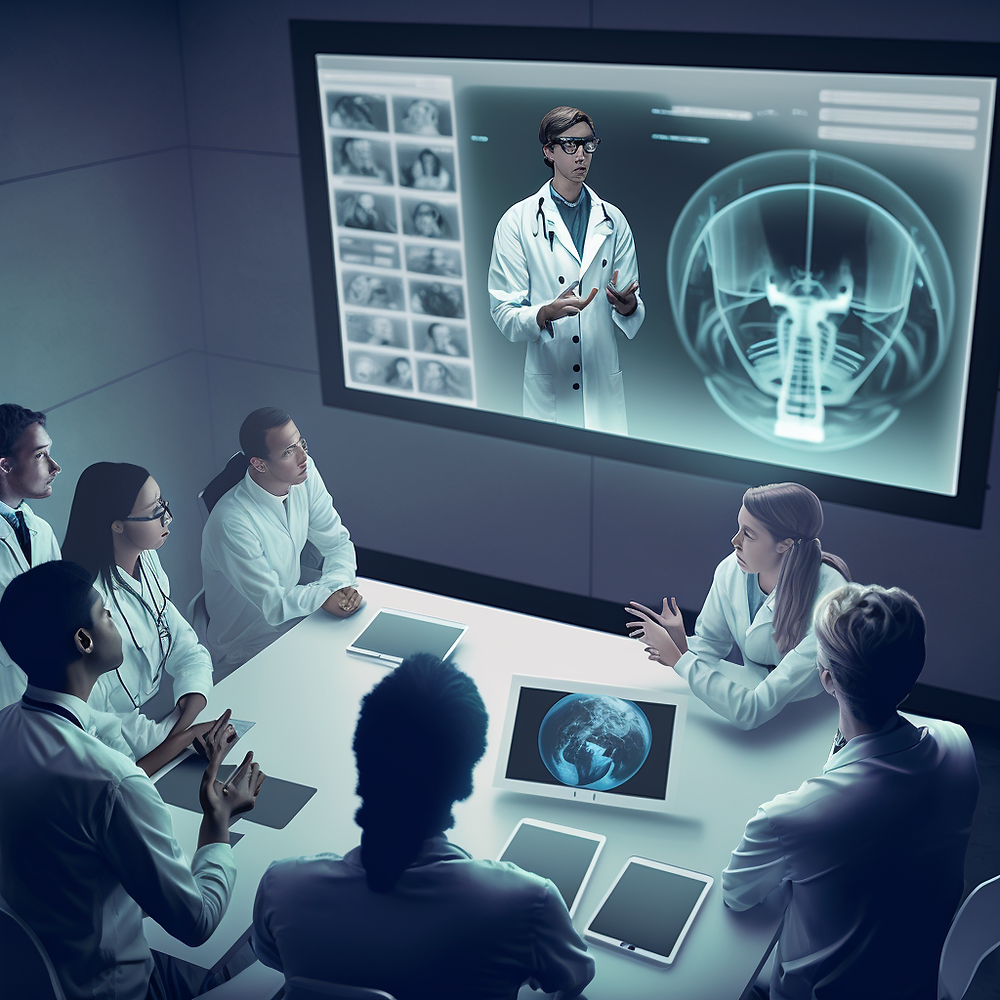
Making training accessible to everyone from any location
Improving training outcomes isn’t always about creating new content or investing in new tools.
Often, it starts with a simpler question:
How easy is it for employees to access the training we’ve already provided?
By focusing on accessibility, organizations can increase engagement, reinforce learning, and make better use of the training resources they already have.
Looking Ahead
As training continues to evolve, accessibility will play an increasingly important role in determining which tools succeed and which are underutilized.
Technologies that reduce friction and integrate into the flow of work will see higher adoption and better outcomes.
Those that require complex setup, scheduling, or specialized environments will continue to face challenges, regardless of their capabilities.
Final Thoughts
The effectiveness of training is not just defined by what it teaches, but by how often it is used.
Organizations don’t struggle with a lack of training tools. They struggle with a lack of consistent access to those tools.
By addressing the simulation access problem, companies can unlock more value from their training programs and ensure that learning becomes part of everyday work—not just an occasional event.