
How EHS Leaders Are Using Training Simulators to Improve Workplace Safety
Every year, workplace accidents occur not because employees weren’t trained, but because they faced a situation they had never truly experienced before. Reading procedures in a manual or watching a safety video is very different from making decisions in the moment when equipment fails, alarms sound, or hazardous conditions appear.
For Environmental, Health, and Safety (EHS) leaders, the challenge is clear: how do you prepare workers for dangerous situations that can’t safely be recreated during traditional training?
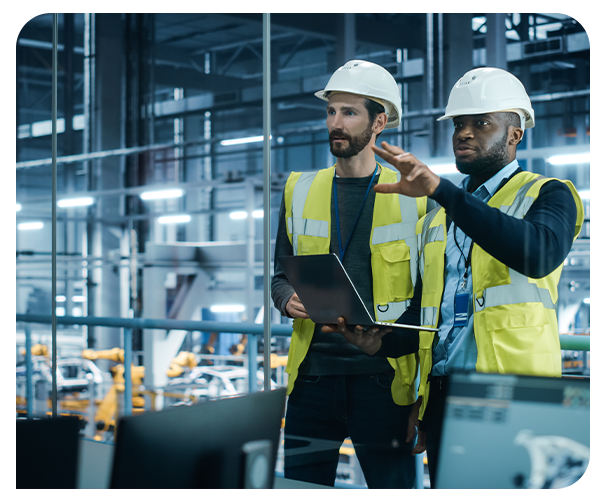
Advancement in Training
Training simulators are increasingly becoming part of the answer.
Workplace safety has always been a top priority for Environmental, Health, and Safety (EHS) professionals. Whether in manufacturing plants, construction sites, healthcare facilities, or energy operations, the goal is the same: reduce risk, prevent injuries, and ensure workers return home safely at the end of every shift.
Traditionally, safety training has relied on classroom instruction, manuals, videos, and occasional hands-on demonstrations. These methods remain important, but they often struggle to fully prepare employees for real-world hazards, especially those that occur infrequently but carry serious consequences.
That’s where training simulators are beginning to play a larger role. By allowing employees to practice recognizing hazards, responding to incidents, and performing safety procedures in a controlled environment, simulation-based training helps EHS teams strengthen both preparedness and confidence across the workforce.
Why Traditional Safety Training Has Limitations
Safety programs often cover a wide range of procedures and protocols but teaching them effectively can be challenging. Many workplace hazards are difficult or impossible to recreate safely during training.
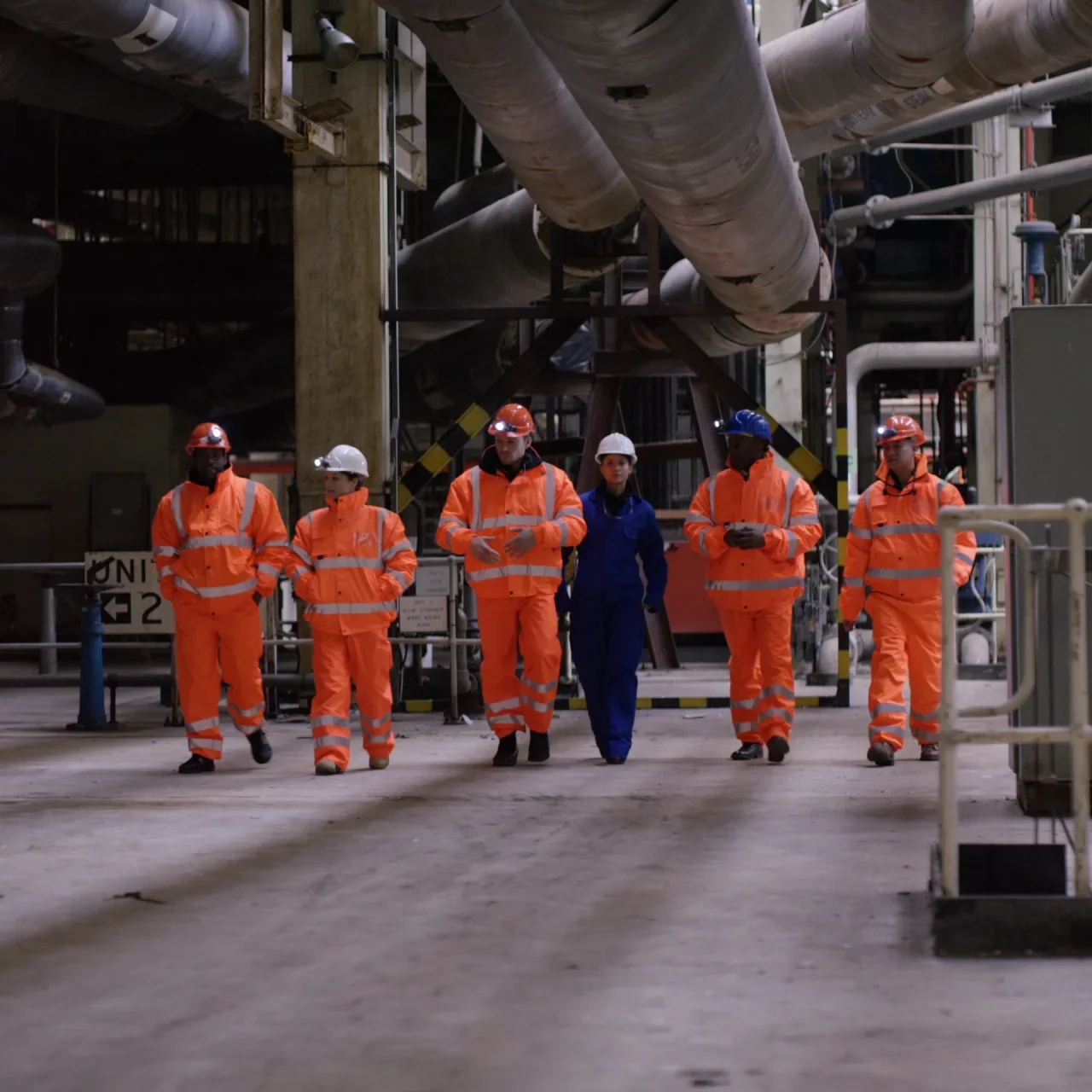
Learning on the Floor
For example, organizations may need to prepare employees for situations such as:
Equipment malfunctions
Chemical spills
Confined space emergencies
Electrical hazards
Fire or explosion risks
Critical equipment shutdown procedures
Because these scenarios involve real danger, training is often limited to verbal explanations or demonstrations. While important, those approaches can lack the experiential component that helps employees truly internalize what to do when a situation occurs.
Simulation provides a way to bridge that gap.
Creating Safe Environments to Practice Dangerous Situations
Training simulators allow workers to experience hazardous scenarios in a safe, controlled setting. Instead of simply hearing about procedures, employees can walk through step-by-step responses and see how different decisions affect outcomes.
For EHS professionals, this creates an opportunity to reinforce safety behaviors through practice rather than theory.
Workers can learn to identify warning signs, assess risks, and respond to incidents without exposing themselves - or others—to real danger. Mistakes can be made, reviewed, and corrected without consequences, turning training into a learning process rather than a compliance exercise.
Strengthening Hazard Recognition
One of the most valuable applications of safety simulators is hazard identification training. Many workplace incidents occur not because employees lack knowledge, but because hazards were overlooked or underestimated in the moment.
Simulation environments can recreate realistic workspaces—factory floors, maintenance areas, construction zones, or hospital environments—where learners must identify unsafe conditions and potential risks.
Examples may include:
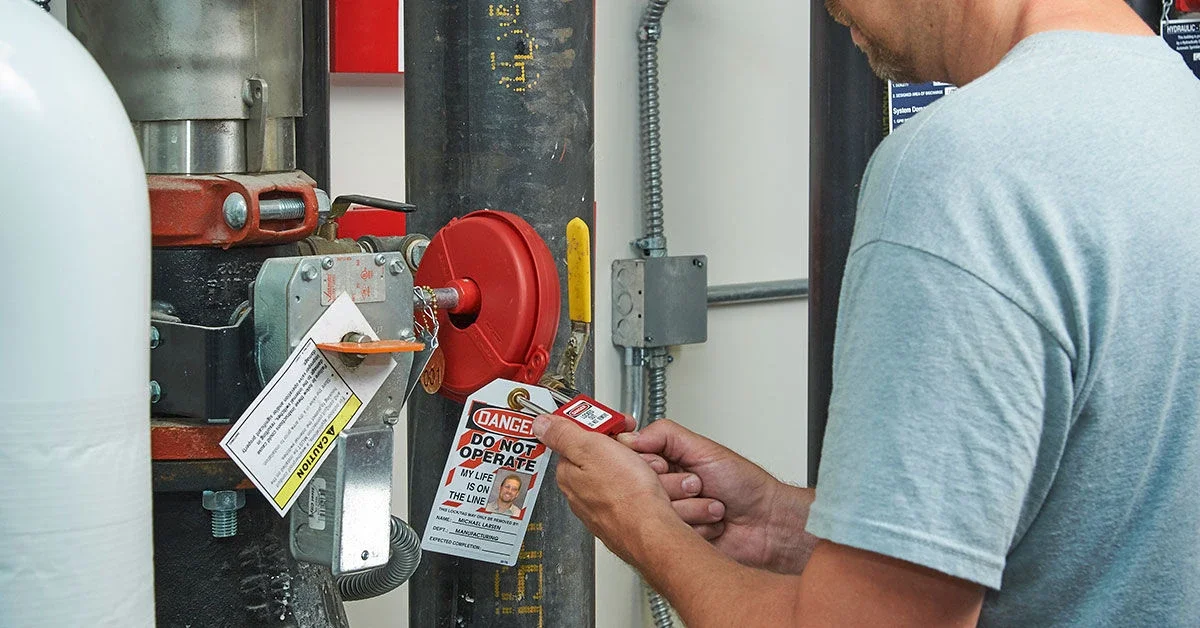
Lockout / Tagout Procedure
Improperly stored chemicals
Missing lockout/tagout procedures
Blocked emergency exits
Incorrect personal protective equipment (PPE) usage
Equipment positioned unsafely
By repeatedly practicing hazard recognition in simulated environments, employees develop stronger situational awareness that carries over into real-world operations.
Practicing Emergency Response Procedures
Another critical use of training simulators is preparing employees for rare but high-impact emergencies. Situations such as fires, chemical releases, or confined space incidents require rapid, coordinated action, yet they occur infrequently enough that many workers never encounter them during routine operations.
Simulation allows EHS teams to rehearse these events in ways that would be impractical or unsafe in real life.
Workers can practice responding to alarms, evacuating facilities, shutting down equipment, or assisting coworkers in distress. Repeated exposure to these scenarios helps reinforce correct procedures and reduces hesitation when real emergencies occur.
The Growing Role of Browser-Based Safety Simulators
As simulation technology evolves, many organizations are also adopting browser-based training simulators that allow employees to access interactive safety scenarios directly from a web browser.
Instead of requiring specialized equipment or dedicated training labs, browser-based simulations can run on standard computers, tablets, or other connected devices. This makes it easier for companies to deploy training across multiple facilities and reach workers wherever they are located.
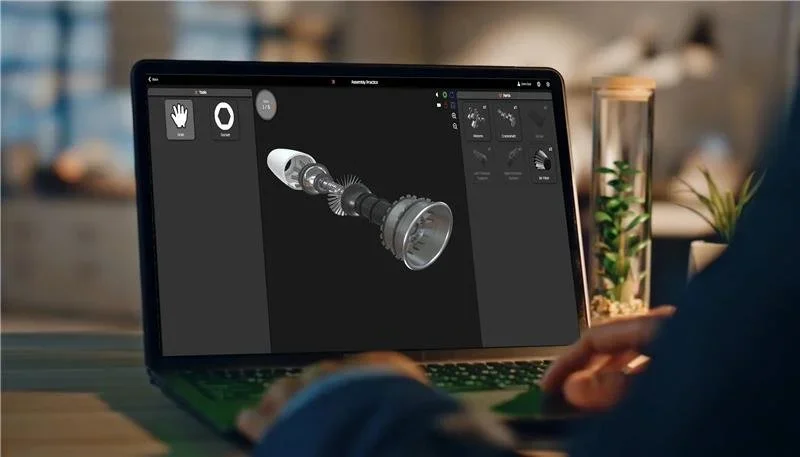
Browser-Based Learning
For EHS teams, browser-based platforms offer several advantages:
Training can be accessed anytime without scheduling lab sessions
Employees can revisit scenarios whenever needed
New training modules can be rolled out quickly across multiple sites
IT deployment and maintenance requirements are reduced
This accessibility helps organizations integrate simulation into everyday learning rather than limiting it to occasional training events.
Improving Consistency Across Large Organizations
For companies with multiple facilities, maintaining consistent safety training can be difficult. Each site may interpret procedures differently or deliver training with varying levels of detail and quality.
Simulation platforms help standardize training by providing consistent scenarios and learning experiences across locations. Whether employees are working at a plant in one state or a facility across the country, they can practice the same safety procedures and learn from the same scenarios.
This consistency helps organizations reinforce safety culture while ensuring that every worker receives the same foundational preparation.
Supporting Continuous Learning
Safety training is often delivered during onboarding or annual compliance refreshers, but the most effective programs reinforce learning throughout the year. Simulation tools support this ongoing development by allowing employees to revisit training scenarios whenever needed.
Instead of completing a single session and moving on, workers can repeat simulations, explore different outcomes, and strengthen their decision-making over time. This kind of repetition helps convert knowledge into instinct—an important factor in high-risk environments where quick, confident action can prevent injuries.
Gaining Insight into Safety Readiness
Modern training simulators can also provide valuable insights for EHS leaders. Performance data from simulation exercises can reveal patterns that may not be visible through traditional training methods.
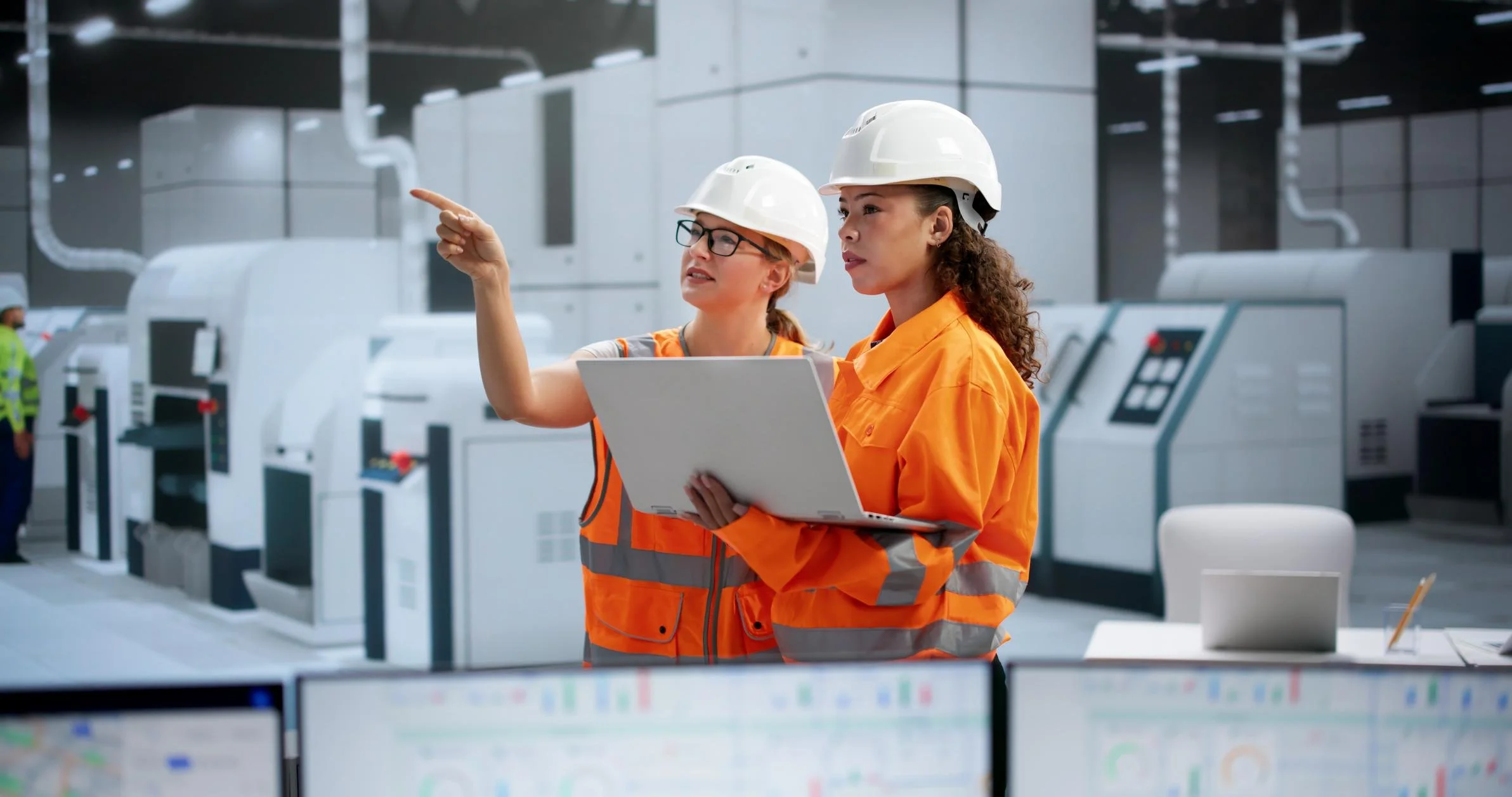
Safety Readiness
For example, EHS teams may identify:
Common hazards that employees consistently overlook
Procedures that cause confusion or hesitation
Areas where additional training may be needed
Improvements in response times over repeated sessions
These insights help safety leaders refine training programs and focus attention on the areas that matter most.
Complementing Hands-On Safety Training
Simulation should not replace hands-on safety training or real-world drills. Physical practice, equipment familiarity, and team coordination remain essential components of workplace safety programs.
Instead, simulation works best as a complementary layer that enhances existing training efforts. By combining classroom instruction, practical exercises, and simulated scenarios, organizations can create a more comprehensive safety education approach.
Employees gain both the theoretical understanding and the practical confidence needed to operate safely in complex environments.
The Future of Safety Training
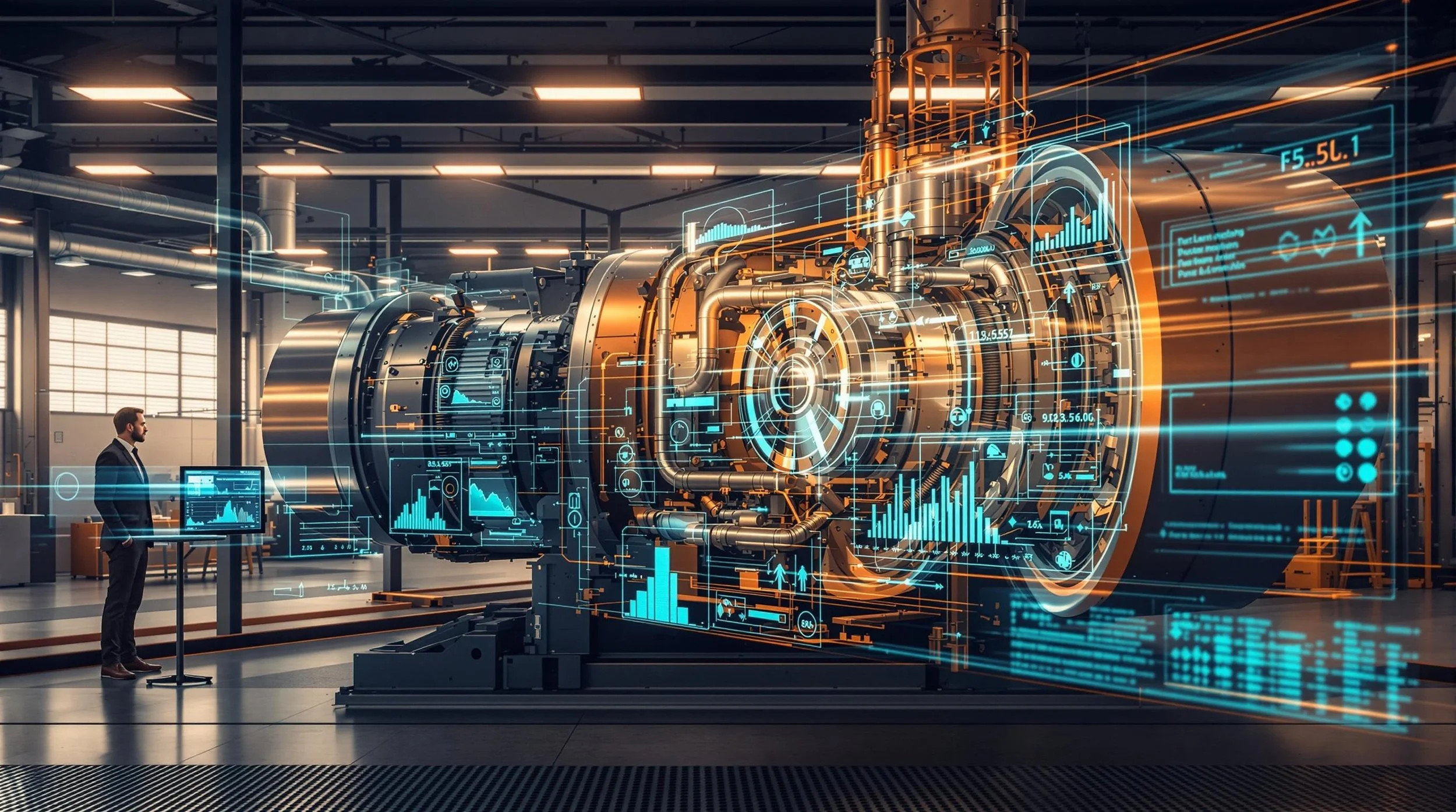
Future of Safety Training
As technology continues to evolve, training simulators are becoming more accessible and easier to deploy across organizations. Advances in cloud platforms, browser-based delivery, 3D visualization, and interactive environments are allowing safety training to reach more employees without requiring specialized equipment or dedicated facilities.
For EHS professionals, this creates new opportunities to reinforce safety culture and prepare workers for real-world risks in more engaging and effective ways.
The goal remains the same as it has always been: prevent accidents, protect workers, and maintain safe operations. Training simulators are simply becoming another valuable tool in achieving that mission.
Our Thoughts
Safety training is most effective when employees can experience and practice realistic scenarios rather than simply reading about them. By giving workers a safe place to identify hazards, respond to emergencies, and refine their decision-making, simulation-based training helps transform safety knowledge into practical skills.
For EHS leaders focused on prevention, preparedness, and continuous improvement, browser-based training simulators are proving to be an increasingly powerful addition to the safety toolbox.