
Can Browser-Based Simulation Training Improve How Teams Learn Complex Systems?
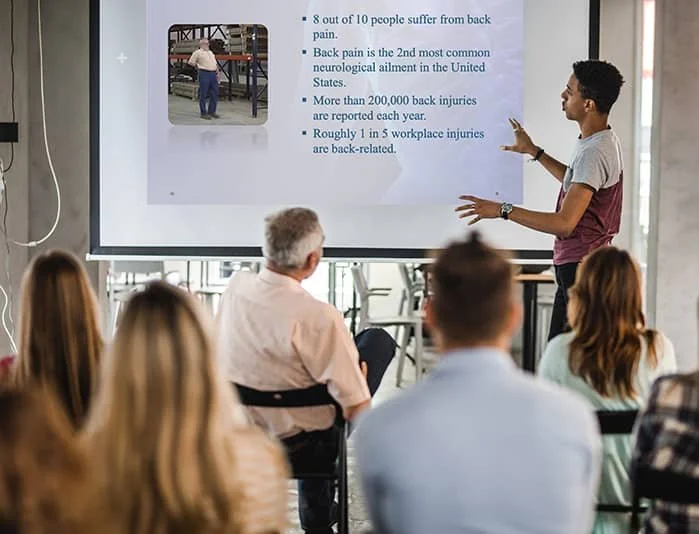
Classroom Session
Most technical training still begins the same way.
· A manual.· A classroom session.· Or a video explaining how a complex system works.These methods provide important information, but they often leave one critical gap.
Learners rarely get the chance to explore the system themselves before performing the task in the real world.
Whether it’s assembling an engine, operating heavy equipment, or performing a medical procedure, the first true hands-on experience often happens in the field, on the plant floor, or in a high-stakes environment.
That raises an important question:
What if people could explore the system first?
Learning by Exploring the System
At Symtive, we’ve been experimenting with a different approach to technical learning through interactive 3D simulation.
Instead of beginning with documentation, training can start with exploration.
Learners can:
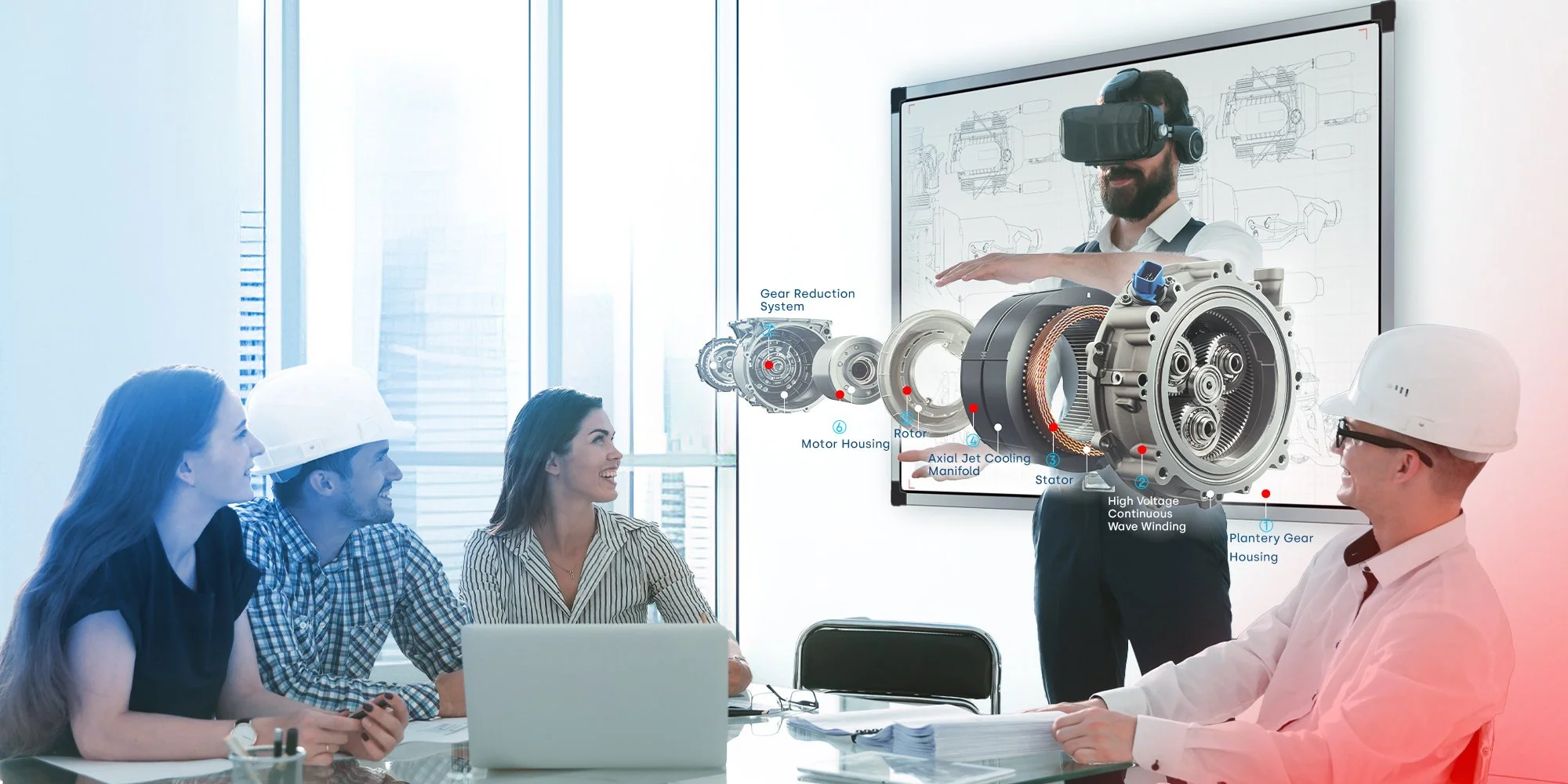
Immersive Training
· interact with components
· understand how parts connect
· practice the sequence of a process
· visually see how systems function
This allows people to build spatial and procedural understanding before they ever touch the real equipment.
Why Browser-Based Simulation Matters
One of the biggest barriers to simulation training in the past has been hardware.
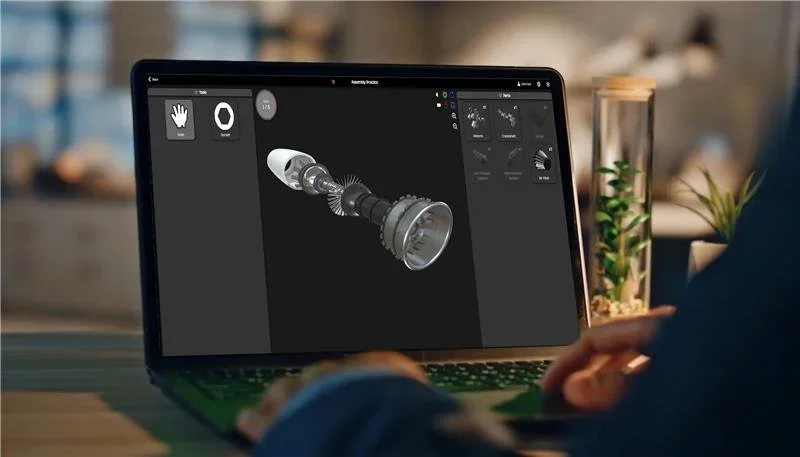
Browser-Based - No Dedicated Hardware Needed
Many solutions require:
· specialized VR headsets
· dedicated hardware
· complex software installations
Browser-based simulation removes those barriers.
Because the simulations run directly in a web browser, teams can train:
· Anytime
· Anywhere
· On any device
Whether someone is using a laptop, tablet, or desktop computer, the training experience can be accessed instantly through a simple web link.
This flexibility makes simulation training easier to deploy across:
· manufacturing teams
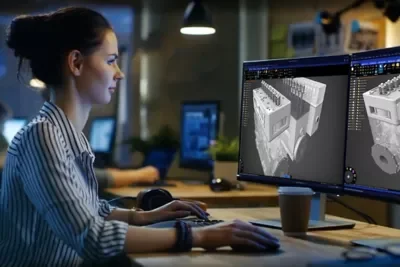
Browser-Based - Flexible - Scalable
· dealer networks
· field technicians
· healthcare professionals
· engineering organizations
Exploring Real-World Examples
To demonstrate how this concept works, we’ve built several interactive simulation examples.
These allow users to explore different types of complex systems in a 3D environment.
Examples include:
· Building a V6 engine
· Assembling a Caterpillar D10 dozer
· Walking through a medical graft procedure
You can explore these simulations here:
A Shift in How Technical Training Begins
Traditional training methods will always have an important role.
Manuals, classroom instruction, and video content all provide valuable context.
But simulation offers something different:
the ability to learn by interacting with the system itself.
For organizations training employees on complex processes, this approach may help teams:
· understand systems faster
· visualize how components work together
· practice procedures before working with real equipment
As technology continues to evolve, browser-based simulation may become an increasingly important tool in how organizations teach complex systems.