
Why Medical Simulation Is Moving Beyond Dedicated Labs and Into the Browser
For years, medical simulation has largely lived inside dedicated labs; high-fidelity spaces filled with mannequins, specialized equipment, and carefully scheduled instructor-led sessions. Those environments have been incredibly valuable. They give clinicians a safe place to practice procedures, respond to emergencies, and build confidence before stepping into real patient situations.
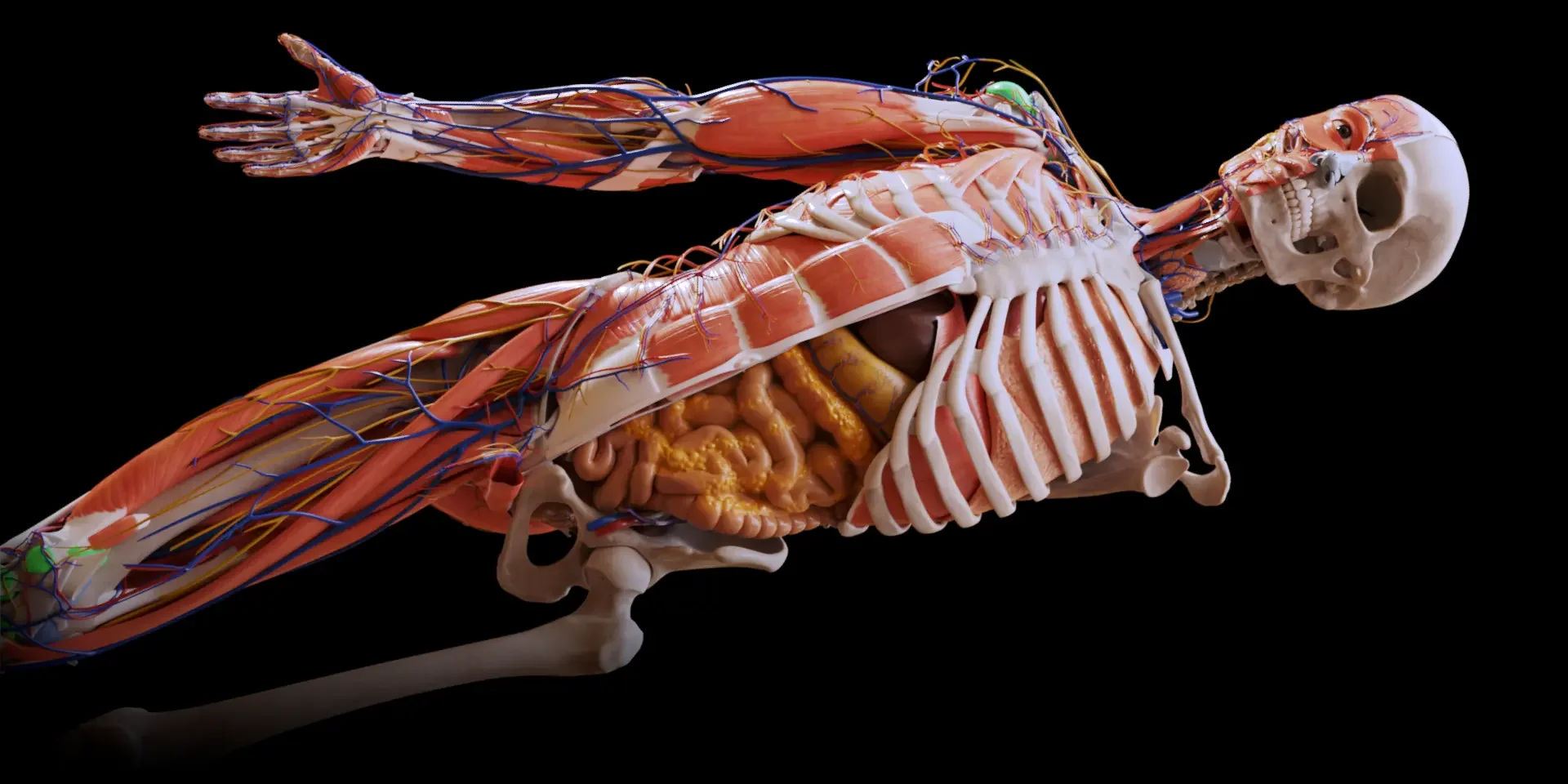
human body anatomy
But healthcare doesn’t stand still.
Teams are more distributed than ever. Clinical demands are increasing. And training can’t be limited to a room that has to be reserved weeks in advance.
Because of that, we’re seeing a clear shift.
Medical simulation isn’t leaving the lab behind - but it is expanding beyond it. More and more, it’s becoming available directly through the browser.
Train anywhere, anytime, and on any device.
The Traditional Simulation Lab Model: Effective, But Not Always Practical
Simulation labs have long been considered the gold standard for hands-on medical training. They offer a controlled setting where learners can make mistakes, work through complex scenarios, and gain experience without putting patients at risk.
That value hasn’t changed. What has changed is the reality of delivering training on a larger scale.
Even the most Advanced labs run into the same challenges:
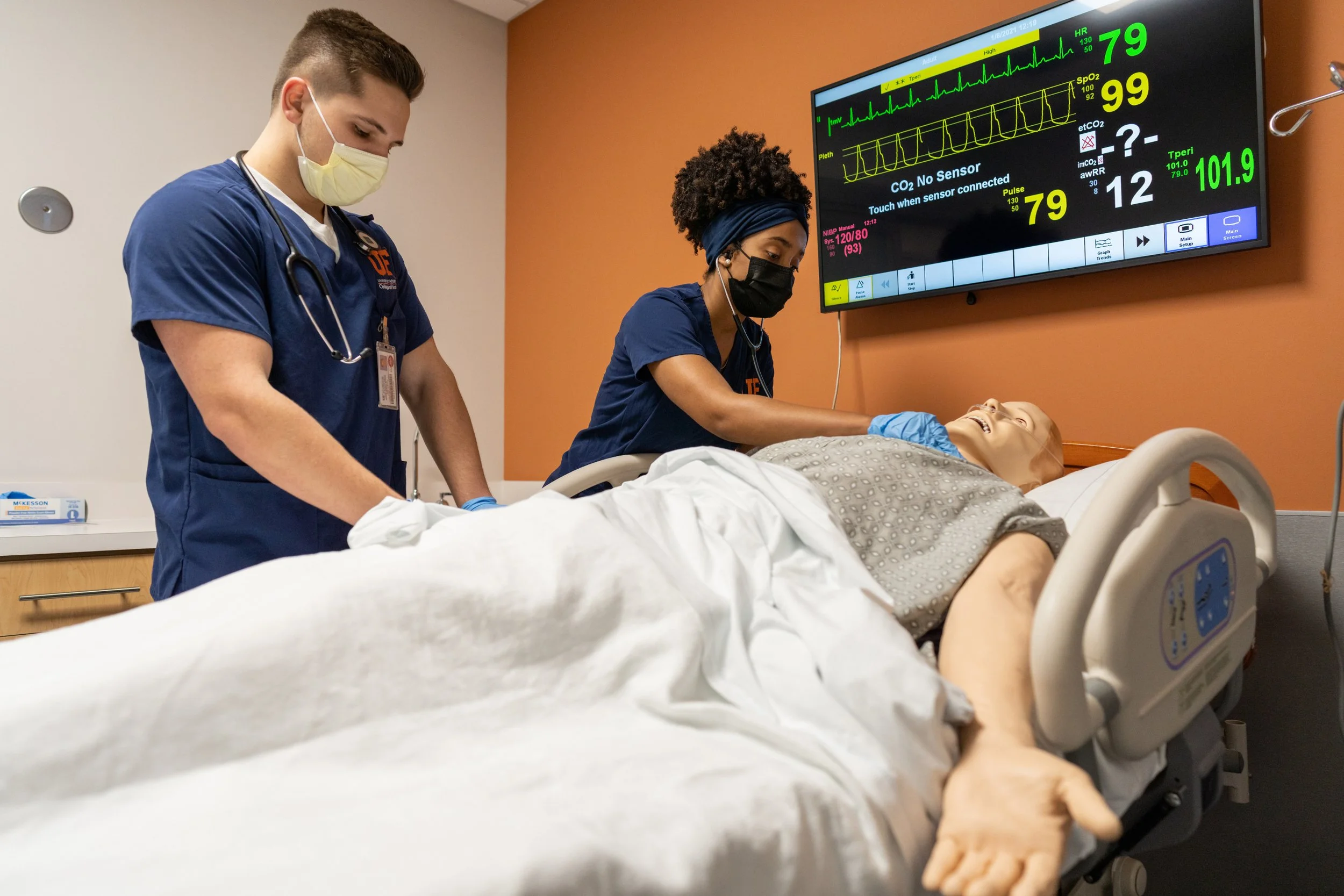
lab training
Limited physical space and tightly managed schedules
Significant equipment and maintenance costs
Travel requirements for learners at other campuses or hospitals
Limited ability to repeat the same scenario on demand
Difficulty delivering consistent experiences across large health systems
None of this diminishes what simulation labs offer. It simply highlights the growing need for more flexible options that can reach clinicians wherever they are.
The Shift Toward Browser-Based Medical Simulation
This is where browser-based simulation is starting to play a larger role.
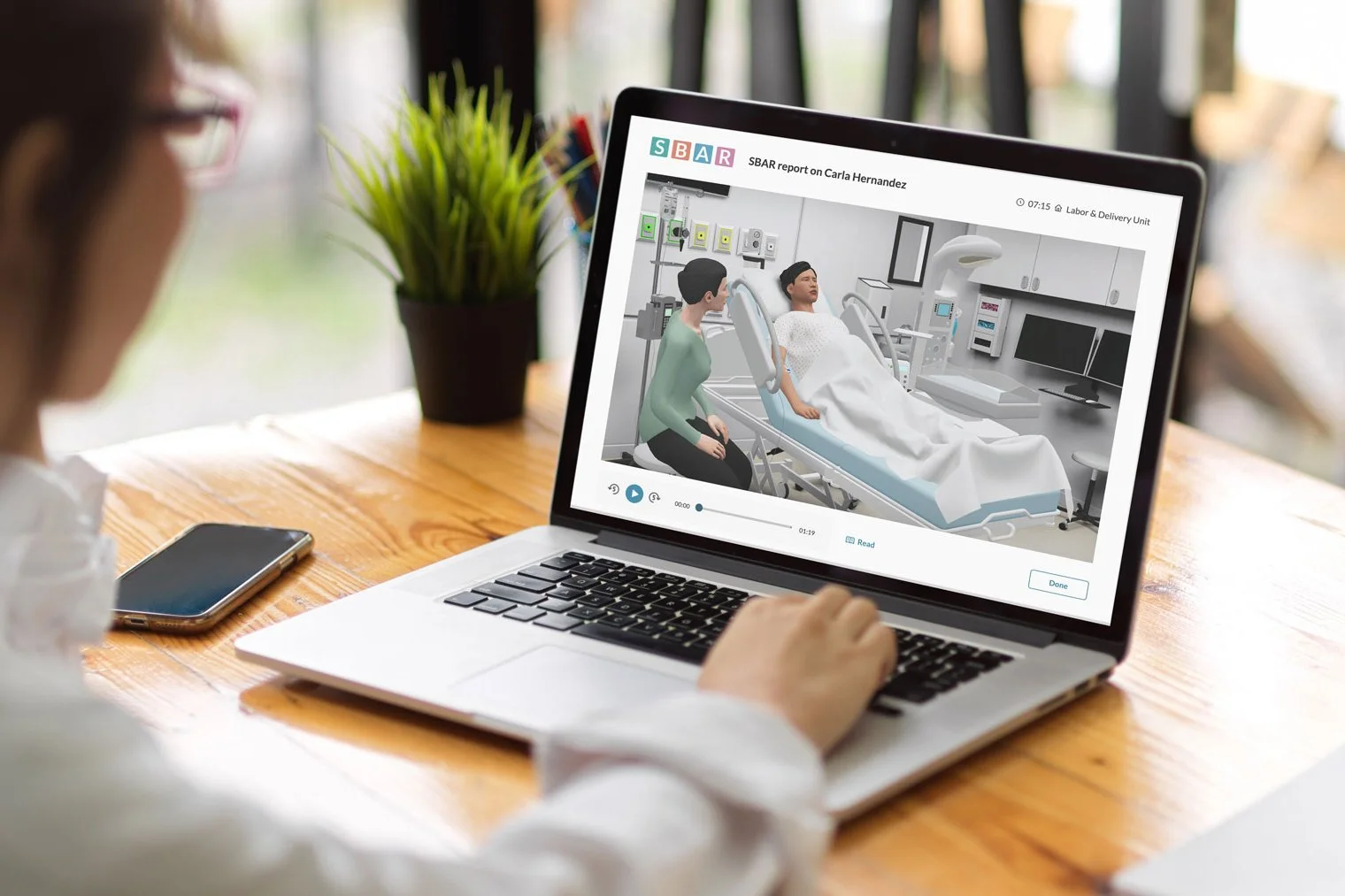
browser-based training
Instead of requiring dedicated hardware or physical presence, these platforms allow clinicians, students, and staff to access immersive training scenarios directly from a secure web browser. No special installations. No lab scheduling. Just log in and begin practicing.
That means training can happen:
At a nurse’s station between shifts
On a laptop during remote coursework
Across multiple campuses at the same time
Without installing specialized software
The focus is no longer only on how immersive a simulation looks or feels. It’s increasingly about accessibility, repeatability, and whether the training can produce measurable improvements in clinical performance.
Why Healthcare Organizations Are Leaning Into the Browser
1) Scaling Across Distributed Health Systems
Many health systems now span multiple hospitals, clinics, and training sites. Coordinating in-person simulation sessions across all of them can be complex and time-consuming.
Browser-based simulation makes it possible to deliver consistent training experiences everywhere at once. It reduces travel, eases scheduling pressure, and allows new training modules to be rolled out quickly when protocols change. For areas like patient safety, workflow training, or new equipment rollouts, that consistency matters.
2) Practice That Isn’t Limited by Lab Time
In a physical lab, time is finite. Once a session ends, learners may not have another opportunity to revisit the same scenario anytime soon.
With browser-based simulations, they can. Clinicians can run through a case multiple times, explore different decisions, and see how outcomes change. This kind of repetition builds confidence, especially for high-risk or rarely encountered situations.
Increasingly, these digital simulations are also incorporating AI-driven logic. That allows scenarios to adjust in real time based on learner decisions - introducing complications, changing patient responses, or escalating events dynamically. Instead of running the exact same static case each time, clinicians can experience realistic variation that more closely mirrors what happens in actual practice.

access anytime, anywhere on any device
3) Faster Updates as Medicine Evolves
Healthcare protocols, technologies, and procedures are always changing. Updating physical lab scenarios can be resource-heavy, often requiring new scripts, equipment adjustments, and instructor retraining.
Digital simulation environments are easier to update and distribute. When best practices shift, the training can shift with them. That helps ensure learners are practicing with current, relevant scenarios rather than outdated ones.
4) Supporting Hybrid Medical Education Models
Medical schools and residency programs are increasingly blending in-person instruction with digital learning tools. It’s no longer one or the other.
Browser-based simulation fits naturally into this hybrid model. Learners can prepare before stepping into a physical lab, reinforce skills afterward, and participate remotely if they’re not on-site. Rather than replacing hands-on experiences, it extends their reach and makes them more effective.
5) Gaining Clearer Insight Into Clinical Competency
One of the biggest advantages of digital simulation is the level of insight it can provide. Instead of relying only on observation or completion checklists, educators can review detailed performance data.
They can see how quickly decisions were made, where learners hesitated, how closely they followed protocols, and how their skills progressed over time. In some platforms, AI is beginning to assist by highlighting patterns in learner behavior and identifying areas where additional practice may be needed. This supports competency-based education and helps meet growing accreditation and quality improvement expectations.
Complementing, Not Replacing, the Simulation Lab

lab and browser-based training
It’s important to be clear: browser-based simulation isn’t meant to replace hands-on clinical training or high-fidelity labs. Tactile experience, physical equipment, and real-time team interaction are still essential parts of medical education.
What’s emerging is a complementary model.
Physical labs remain the place for hands-on procedural practice. Browser-based simulations provide scalable, repeatable scenario training that can happen anytime. Together, they create a more continuous learning ecosystem; one that supports clinicians not just during scheduled lab sessions, but throughout their day-to-day work and ongoing professional development.
The Future of Medical Simulation
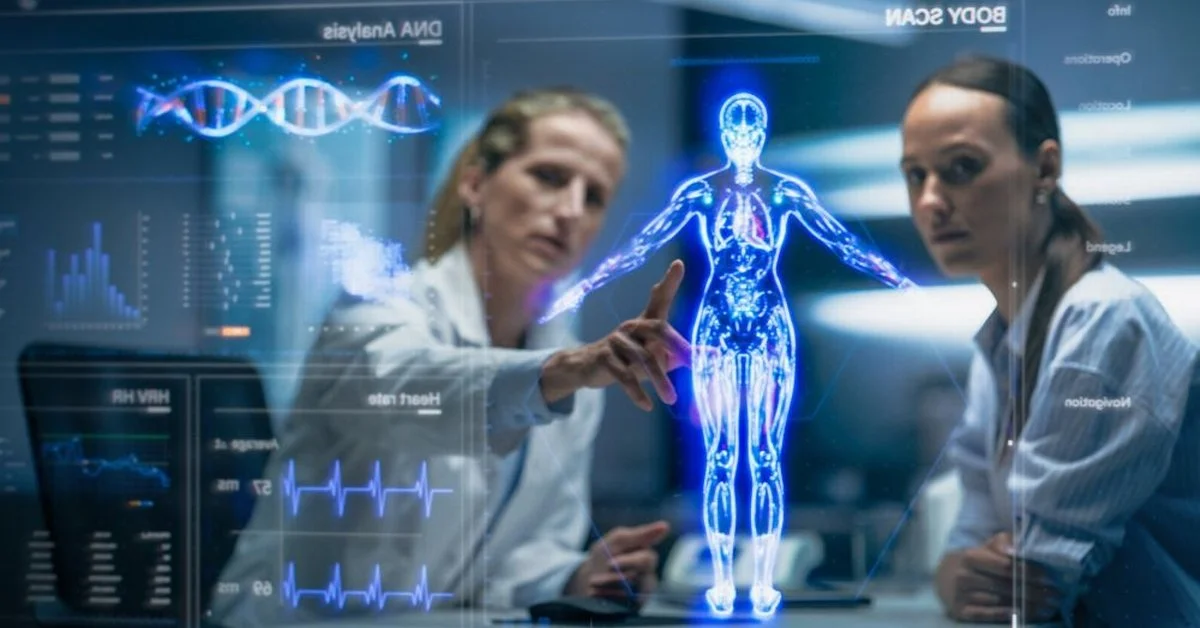
As healthcare systems grow and training demands continue to rise, the need for accessible and scalable simulation will only increase. Browser-based platforms are a natural extension of what simulation has always aimed to do: provide safe, realistic environments where clinicians can learn, practice, and improve.
The difference now is reach. Training no longer has to be limited by room availability or travel logistics. It can meet clinicians where they are, while still maintaining the rigor and realism that make simulation so effective. AI will likely play a growing role in this evolution, helping tailor scenarios, adapt difficulty levels, and surface insights that would be difficult to capture manually.
The question isn’t whether simulation belongs in a lab or online anymore.
It’s how both approaches can work together to create a more responsive, continuous model for clinical education.
Final Thoughts
Medical simulation started as a specialized resource housed in dedicated facilities. Today, it’s becoming more connected and flexible; able to reach learners across locations, roles, and stages of their careers.
By extending simulation into the browser, healthcare organizations gain the ability to offer high-quality, repeatable training whenever it’s needed, not just when a lab is available. With the added support of AI-driven adaptability and analytics, these environments can become even more responsive to how clinicians actually learn and perform.
That shift has real implications for clinical readiness, workforce development, and ultimately the consistency and safety of patient care.