
Advancement in Simulation Technology: What’s Shaping the Next Generation of Medical Training.
Simulation technology has moved well beyond experimental pilots and isolated lab use. Today, it plays a critical role in how healthcare organizations, medical universities, and life-sciences companies train, assess, and prepare clinicians, technicians, and support staff—especially in environments where patient safety, procedural accuracy, and scale matter.
The most meaningful advancements in medical simulation are not defined by a single breakthrough device. Instead, they reflect a practical evolution: better access, smarter systems, and more intentional use of technology to support real clinical outcomes.
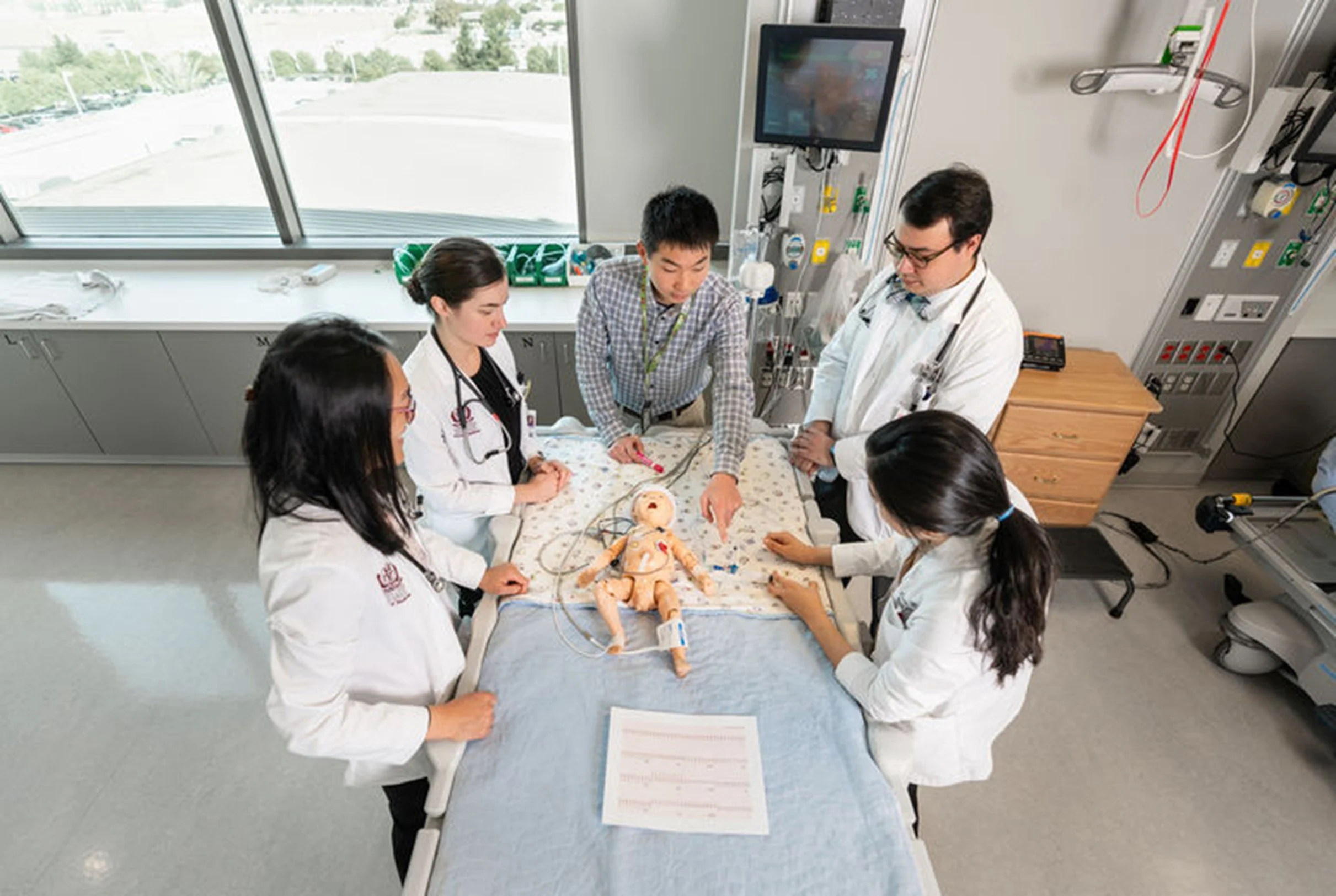
Baby Simulator
From Immersion-First to Outcome-First Training
Early medical simulation efforts often prioritized immersion—frequently equating realism with headsets, specialized labs, and high-end hardware. While immersive technologies like VR continue to play an important role, healthcare organizations are increasingly prioritizing training outcomes, repeatability, and accessibility.
Clinical and academic leaders are now asking more pragmatic questions:
Can this training reach all learners, not just small cohorts?
Can procedures be practiced repeatedly and consistently?
Does the technology fit within hospital IT, security, and compliance frameworks?
Can it support onboarding, recertification, and continuing education?
As a result, advancements in simulation are now driven as much by integration and scale as by visual realism.
Browser-Based Simulation Matures for Medical Use
One of the most significant advancements in medical simulation is the rise of high-fidelity browser-based 3D simulators.
Modern web technologies now support:
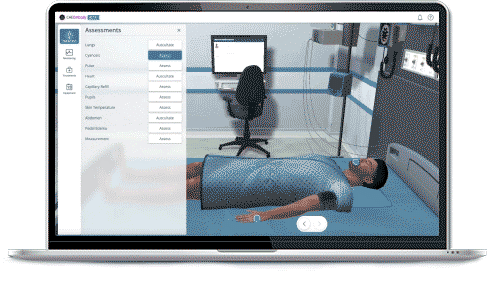
Advance Simulators Viewed over Browser-Based Platform
Complex anatomical and device-level 3D models
Accurate clinical and procedural workflows
Secure deployment within healthcare IT environments
Integration with LMS, credentialing, and assessment systems
For medical organizations, this has dramatically expanded access to simulation—enabling:
Training across multiple facilities and campuses
Consistent procedural instruction for large cohorts
Simulation access on standard laptops and tablets
Reduced dependency on physical simulation labs
Browser-based platforms allow clinicians and students to focus on procedural accuracy and decision-making, without the logistical friction of specialized hardware.
Digital Twins Expand Clinical and System-Level Insight
Another major advancement shaping medical simulation is the increasing use of digital twins.
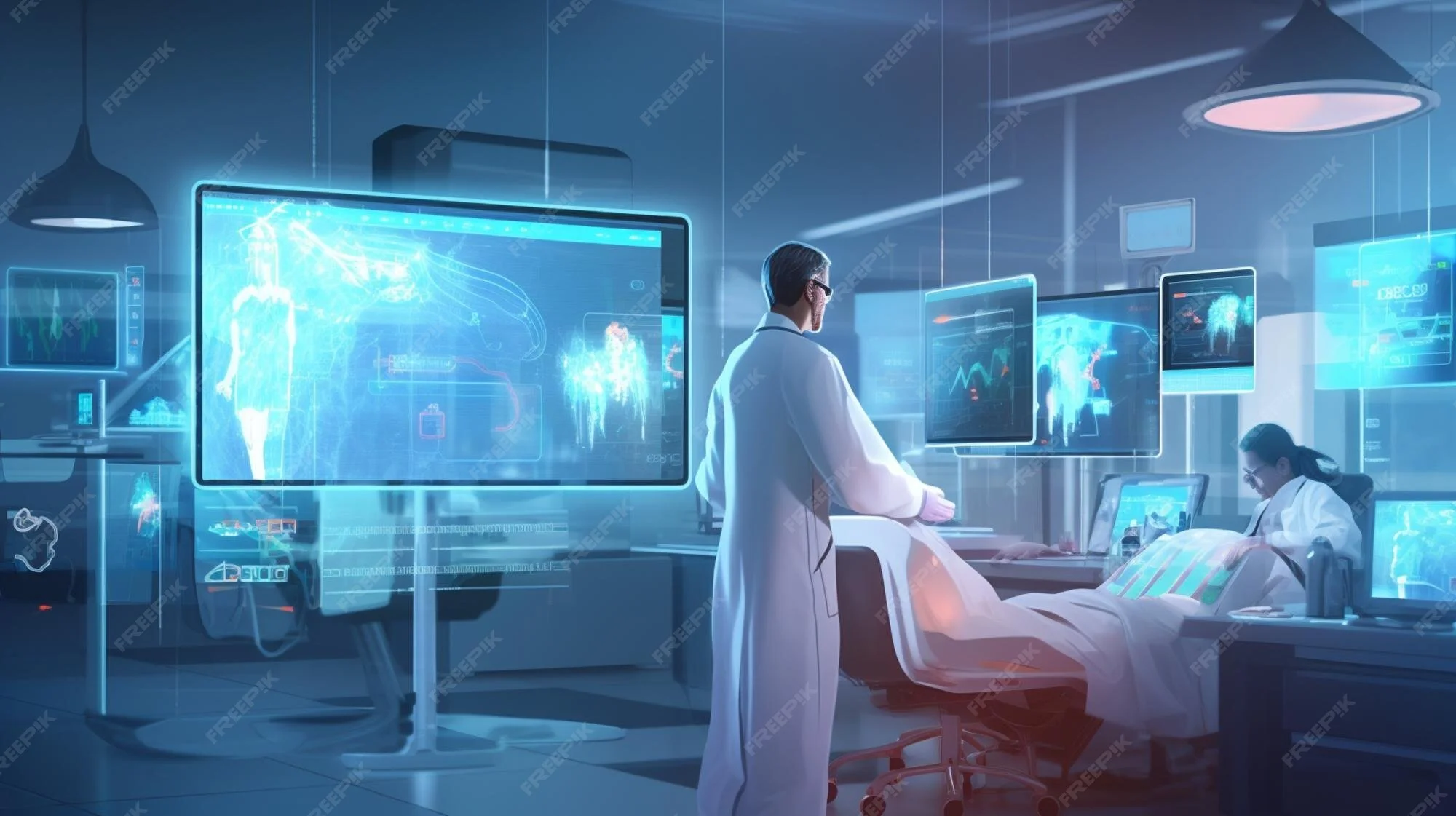
Digital Twin
In healthcare and life sciences, digital twins go beyond task-based training by modeling how systems, devices, or physiological processes behave over time, often incorporating real-world data.
Medical applications include:
Modeling device behavior and failure scenarios
Simulating system-level workflows (OR throughput, lab processes, device utilization)
Supporting predictive maintenance and operational planning
Enabling advanced, system-level clinical education
While powerful, digital twins are typically used alongside training simulators, not as replacements—providing deeper insight into how complex medical systems behave under different conditions.
Smarter, More Adaptive Learning Experiences
Medical simulation platforms are also becoming more intelligent and responsive.
Recent advancements include:
Adaptive scenarios that respond to clinical decisions and actions
Data-driven feedback tied to performance and outcomes
Greater replayability through variable conditions and branching logic
These improvements help move simulation beyond static walkthroughs toward meaningful skill development, assessment, and clinical readiness—especially important in high-stakes medical environments.
Blended Simulation Strategies Become the Norm in Healthcare
Rather than relying on a single technology, healthcare organizations are increasingly adopting blended simulation strategies, combining:
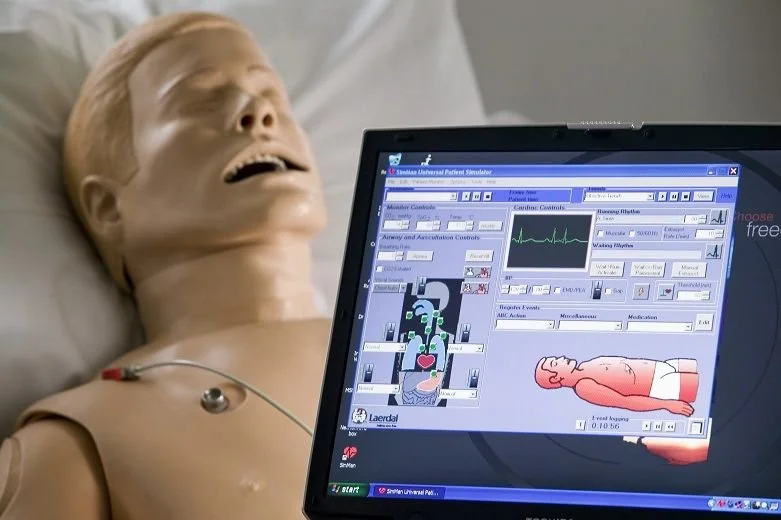
Manikin Simulator
Browser-based simulators for scalable, repeatable clinical training
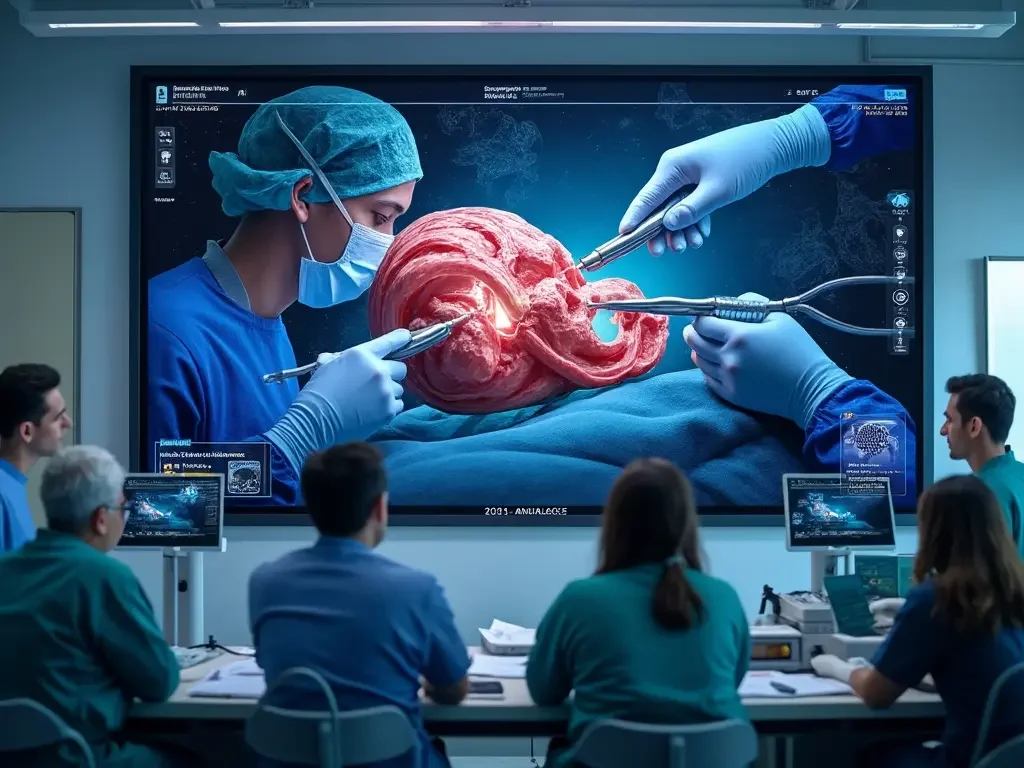
Immersive technologies for rare, high-risk, or high-impact scenarios
Digital twins for system-level understanding and operational insight
This layered approach allows medical educators and health systems to match technology to clinical risk, frequency, and learning objectives, rather than forcing one platform to solve every problem.
The Direction Forward for Medical Simulation
The most important advancement in simulation technology isn’t a new device or platform—it’s a shift in mindset.
Medical organizations are moving toward:
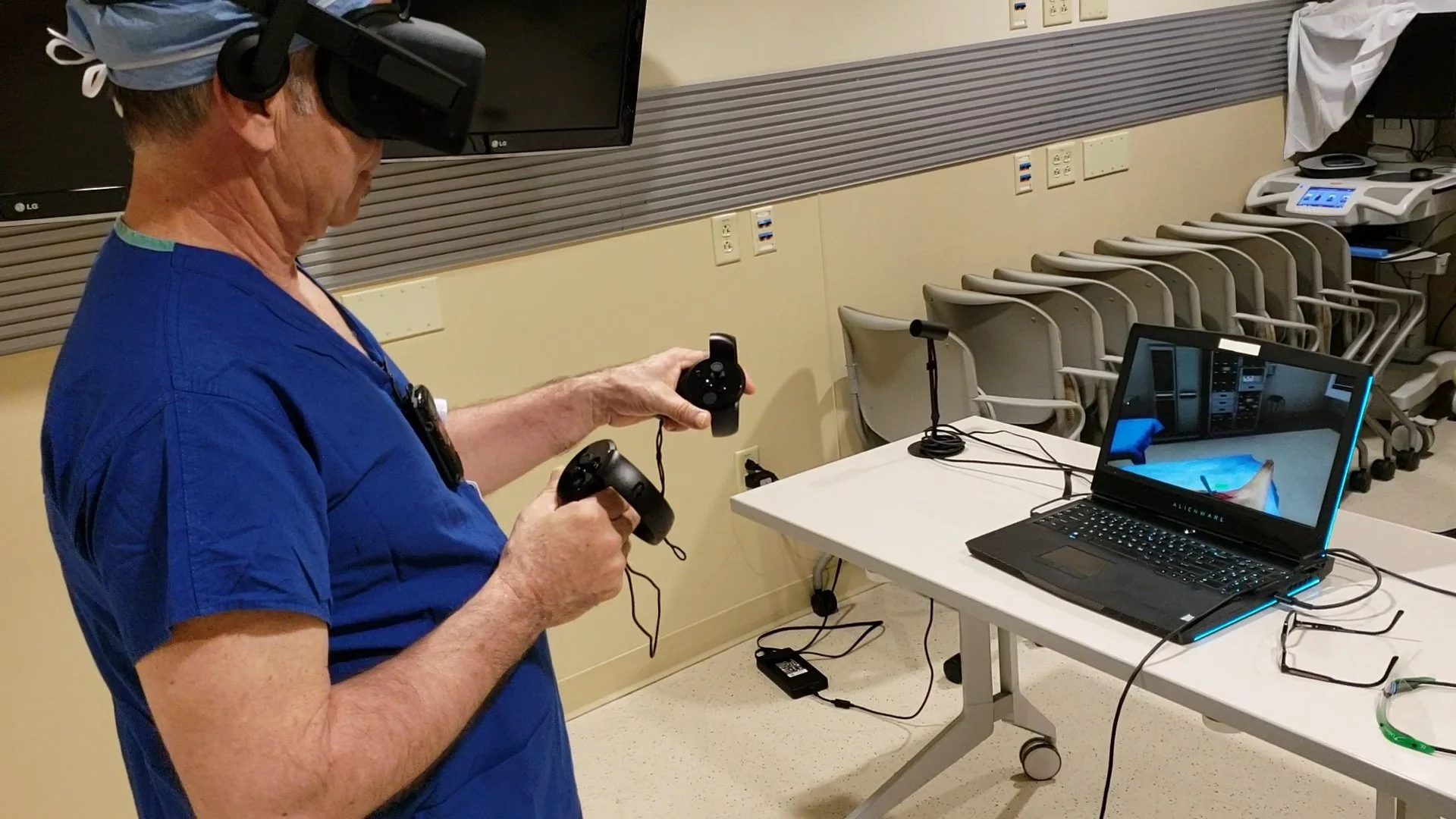
Using Multiple Technologies
Intentional technology selection based on clinical outcomes
Training designed for real-world constraints and workflows
Solutions that integrate into existing healthcare ecosystems
Platforms that scale across roles, facilities, and programs
Simulation is no longer about showcasing what technology can do. It’s about delivering training that gets used, supports patient safety, and produces measurable educational and operational value.
Final Thought
As medical simulation technology continues to evolve, the organizations that succeed will be those that focus less on novelty and more on fit, function, and outcomes.
The future of medical simulation isn’t defined by a single technology—but by how well different technologies work together to support clinical competence, confidence, and consistency at scale.