
Why Traditional Training Is Failing Younger Industrial Workers. The problem isn't the workers. It's the method.
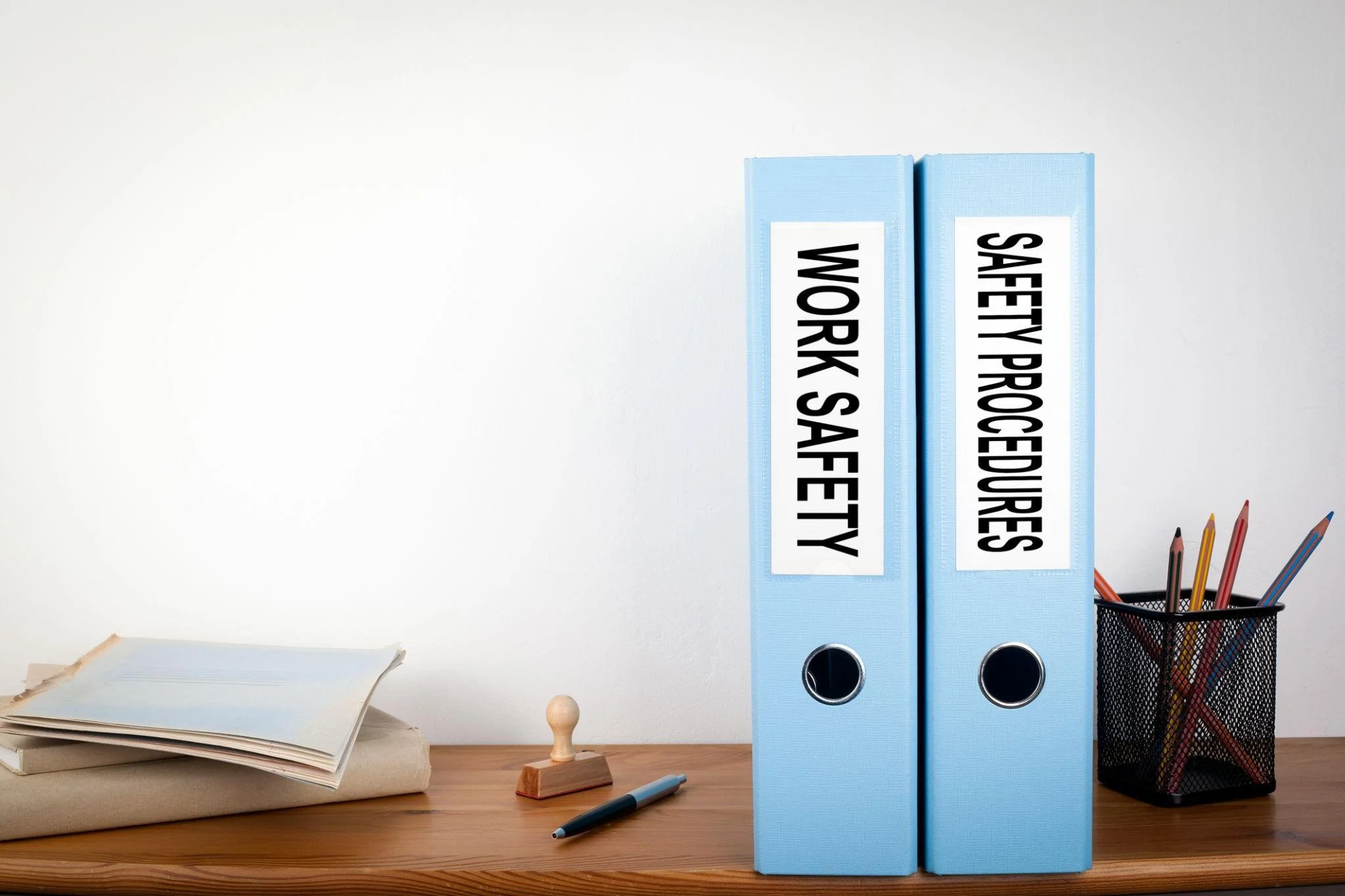
Training Manuals
There's a quiet crisis happening on the floors of manufacturing plants, warehouses, and industrial facilities across the country. Companies are investing thousands of hours and dollars into training, safety, equipment operation, maintenance procedures, quality processes, and younger workers still aren't retaining it.
It's not a motivation problem. It's not a generational attitude problem. It's a method problem.
The Workforce Has Changed. The Training Hasn't.
The industrial workforce is in the middle of a significant transition. Baby Boomers and Gen X workers who spent years absorbing knowledge through hands-on mentorship and on-the-floor experience are retiring at an accelerating pace. Replacing them are Millennials and Gen Z workers who grew up in an entirely different learning environment.
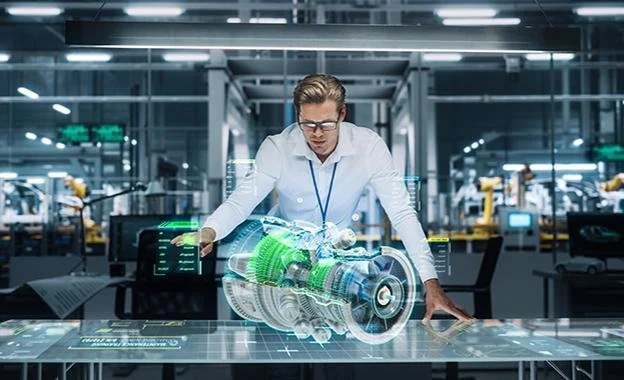
Millennials and Gen Z have a diffrent learning environment
These workers learned to drive using simulations. They practiced surgery, flight, and combat in video games before ever doing it for real. They've spent their lives in interactive, feedback-rich digital environments where mistakes have consequences but not catastrophic ones.
Then they show up for their first day of industrial training and watch a 45-minute PowerPoint presentation.
The disconnect isn't subtle.
The Scope of the Problem
This challenge affects virtually every discipline in industrial training:
Safety and EHS training: Lockout/tagout procedures, confined space entry, chemical handling, emergency response. When workers don't retain this content, the consequences range from OSHA citations to serious injury.
Equipment operation: Complex startup and shutdown sequences, operational parameters, and troubleshooting under pressure. Workers who learned the procedure in a classroom often freeze when they encounter the real machine for the first time.
Maintenance and repair: Step-by-step procedures for servicing equipment that can't be taken offline for practice. A misremembered sequence doesn't just cause downtime; it can cause damage or injury.
Quality and process control: Understanding why deviations matter, how to identify them, and what to do when something is out of spec. Abstract in a slide deck. Concrete in a simulation.
Standard operating procedures: The complex, multi-step instructions that experienced workers follow instinctively but that new hires struggle to internalize from a printed SOP alone.
The common thread: all of these require workers to do something, not just know something. And traditional training almost never reflects that.
What the Research Tells Us
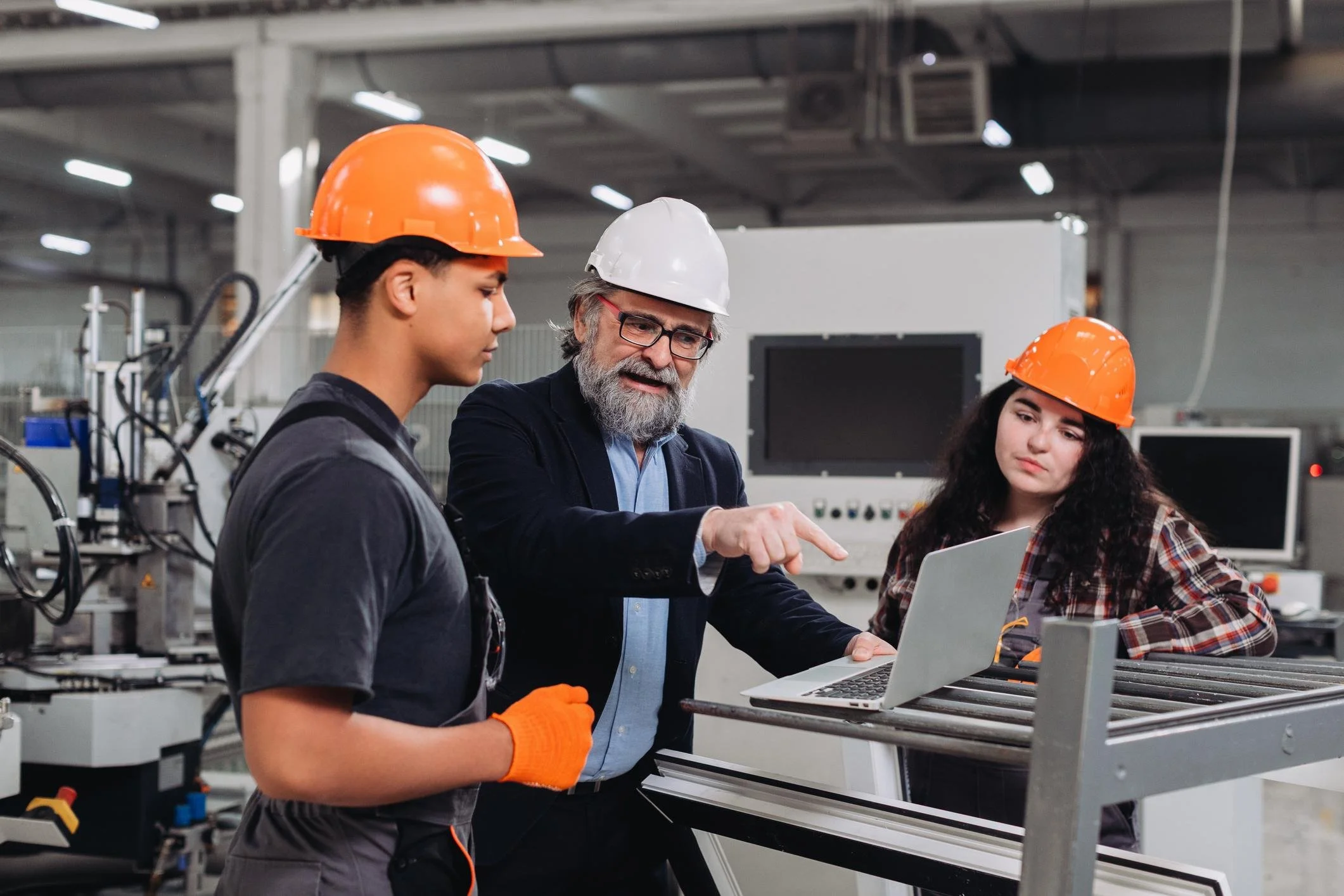
Simulation based training shows 75% or higher on retention rates
The numbers on traditional training retention are sobering. Studies on learning consistently show that passive methods like lectures, slide decks, and video-only training result in workers retaining as little as 10 to 20% of content after just a few days.
Meanwhile, research on simulation-based and experiential learning shows retention rates of 75% or higher, particularly when learners are required to make decisions, respond to scenarios, and recover from errors rather than simply observe.
The gap between those two numbers isn't a curiosity. It's the difference between a worker who knows the procedure and one who freezes when it matters.
The Four Ways Traditional Training Falls Short
1. It's passive by design.
Lecture-and-test formats put workers in the role of audience, not participant. The brain doesn't encode passive observation the same way it encodes active decision-making. Industrial work is physical and procedural, and training that mirrors that reality produces better outcomes.
2. It can't replicate consequence.
One of the most powerful drivers of learning is experiencing the result of a decision. Traditional training can describe what happens when a lockout procedure is skipped or a process parameter is ignored. Simulation can show it and let the worker feel the difference between doing it right and doing it wrong, without anyone getting hurt and without stopping production.
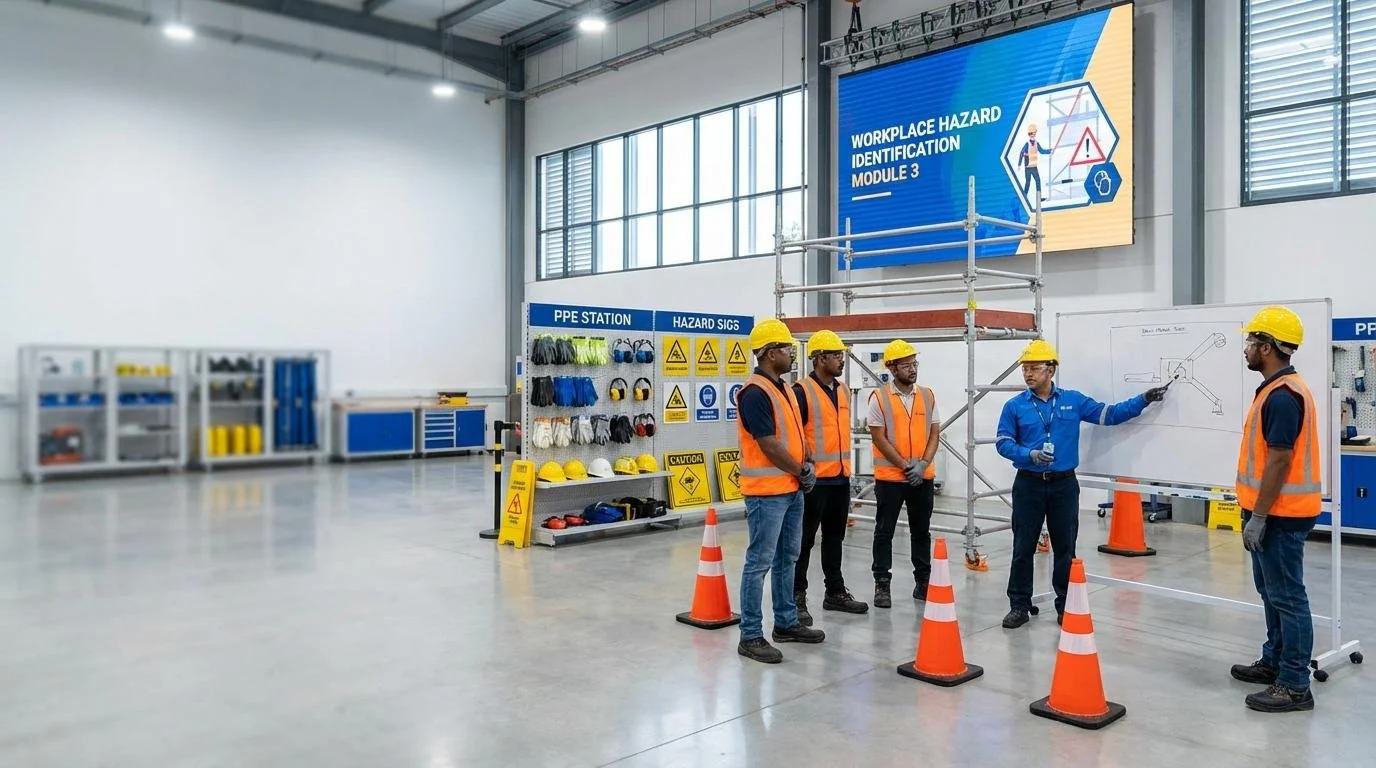
Lecture-and-test formats put workers in the role of audience, not participant.
3. It doesn't meet workers where they are.
Younger workers are comfortable navigating digital environments. They expect to interact with their learning tools, not just receive them. A generation that learned parallel parking in a simulator will not be engaged by a pamphlet and a quiz.
4. It's hard to verify and improve.
Paper sign-off sheets tell you a worker sat through training. They don't tell you what they understood, where they hesitated, or which scenarios gave them trouble. Without data, trainers can't identify gaps, refine content, or demonstrate training effectiveness to auditors and leadership.
What Better Looks Like

Adding the human element in training is irreplaceable
The good news is that the training model is evolving. Browser-based simulation tools now make it possible to put workers through realistic, interactive scenarios covering equipment startups, emergency shutdowns, maintenance walkthroughs, quality inspections, and spill response, without requiring specialized hardware, a dedicated lab, or pulling equipment offline.
Workers can train on a tablet, a desktop, or a kiosk on the floor. They can repeat scenarios until they get them right. Trainers can see exactly where workers struggled and where the training itself might need refinement.
This isn't about replacing skilled trainers or experienced mentors. The human element of industrial training is irreplaceable, particularly for complex procedures where judgment and context matter. It's about building a foundation that actually sticks before workers ever set foot near the equipment, and giving trainers better tools to know that it did.
The Bottom Line for Industrial Trainers
Whether you're responsible for safety compliance, equipment qualification, maintenance certification, or process adherence, if your current training program was designed for workers who learned differently, it may be serving the program more than it's serving the people.
Younger industrial workers aren't harder to train. They're differently trained. Meeting them with methods that reflect how they actually learn isn't a concession to a generation. It's smart training practice.
The goal hasn't changed: get workers productive, safe, and confident. The method just needs to catch up.
Symtive builds browser-based training simulators for industrial environments, covering safety and EHS procedures, equipment operation, maintenance, and complex SOPs. If you're a trainer curious what simulation-based training looks like in practice, we'd love to show you. Visit www.sysmtive.com to explore our demos.
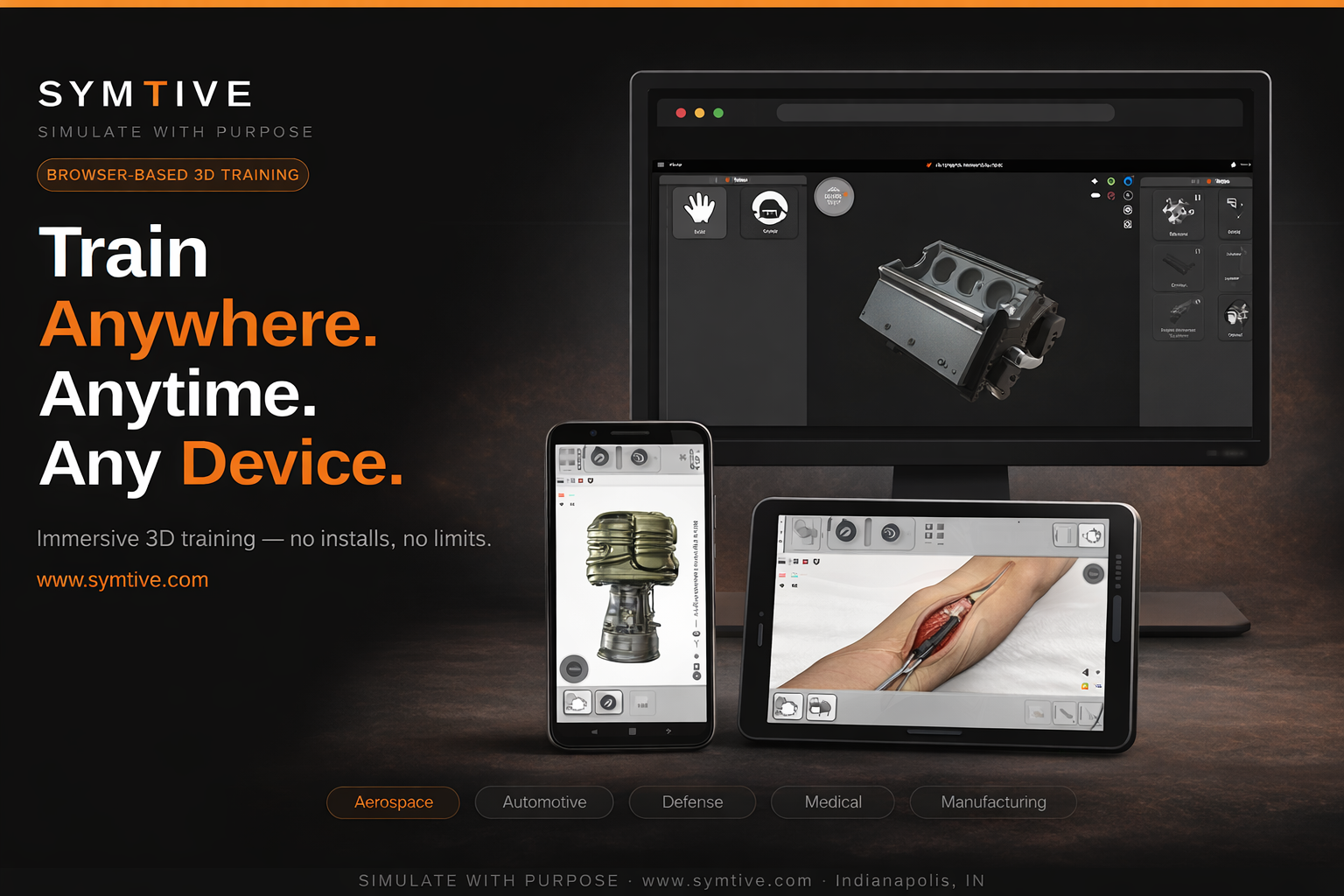
Access to training - when you need it