
How Browser-Based Simulation Supports Continuous Learning (Not Just One-Time Training)
For many organizations, training still follows a familiar pattern.

Traditional classroom training
An employee completes onboarding. They attend a class, watch a series of videos, or go through an online module. They pass an assessment, check the box, and move on.
Then weeks, or months, go by before that knowledge is used again.
This approach has worked for years, but it comes with a clear limitation: learning fades when it isn’t reinforced.
Today, organizations are beginning to rethink this model. Instead of viewing training as a one-time event, they are shifting toward continuous learning, an approach where employees regularly revisit, apply, and strengthen their skills over time.
One of the technologies helping drive this shift is browser-based simulation.
The Problem with One-Time Training
Traditional training programs are often designed around completion rather than retention.
Employees are expected to absorb large amounts of information in a short period, often without immediate application. While this may meet compliance requirements, it doesn’t always translate into long-term performance.
In many roles, especially in manufacturing, healthcare, and technical environments, employees may not encounter certain scenarios until much later. By that time, much of the training has been forgotten.
This creates a gap between what employees learned and what they are able to do when it matters.
Why Continuous Learning Is Gaining Momentum
Organizations are increasingly recognizing that learning is most effective when it is ongoing.
Continuous learning allows employees to:

The gap between old and new technologies for continuous learning
Revisit key concepts regularly
Reinforce skills through repetition
Apply knowledge in different scenarios
Stay current as processes and technologies evolve
Instead of relying on memory from a single training session, employees build confidence through repeated exposure and practice.
This is particularly important in environments where mistakes can impact safety, productivity, or patient outcomes.
The Role of Simulation in Continuous Learning
Simulation-based training is uniquely suited to support continuous learning.
Unlike traditional methods, simulation allows employees to actively engage with scenarios rather than passively consume information. They can make decisions, see outcomes, and refine their approach over time.
Most importantly, simulations can be repeated.
Employees can return to the same scenario multiple times, explore different outcomes, and strengthen their understanding with each attempt.
This repetition helps turn knowledge into instinct.
Why Browser-Based Simulation Changes the Game
While simulation itself is powerful, the way it is delivered plays a critical role in how often it is used.
Historically, many simulation tools were required:
Dedicated training labs
Specialized hardware
Scheduled sessions
Instructor availability
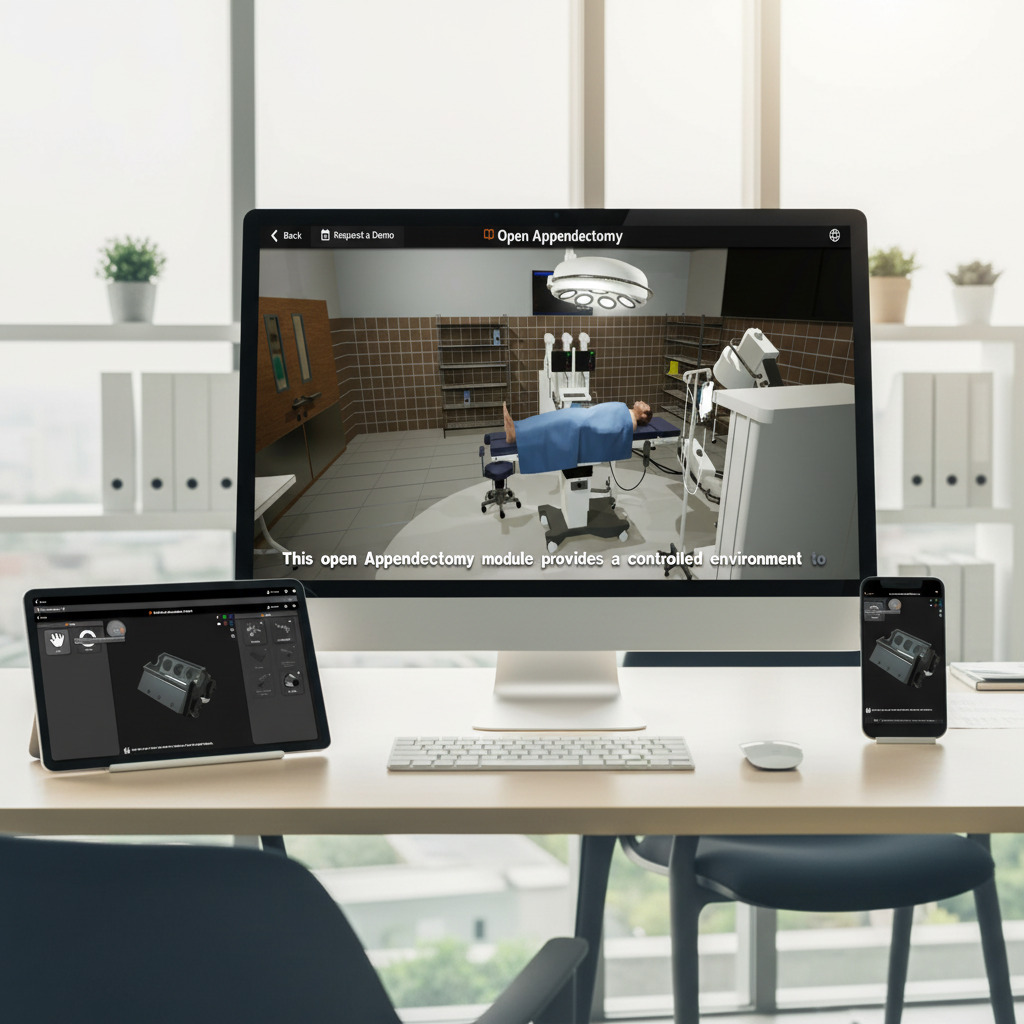
Accessing training from multiple devices
These limitations often restricted how frequently employees could access training.
Browser-based simulation removes many of these barriers.
By allowing users to access simulations directly through a web browser, organizations can make training far more accessible and flexible.
Employees can:
Access training from their existing devices
Revisit scenarios whenever needed
Practice before performing a task
Reinforce skills after encountering a real-world issue
This accessibility transforms simulation from an occasional training event into an ongoing learning tool.
Training in the Flow of Work
One of the most important shifts in modern learning is the concept of training in the flow of work.
Instead of separating training from daily responsibilities, organizations are integrating learning into the workday.
Browser-based simulation supports this by allowing employees to engage with training at the moment it is most relevant.
For example:
A technician can review a repair procedure before starting a job
A clinician can revisit a complex case scenario before a shift
A new operator can practice a process multiple times before working independently
This just-in-time approach makes learning more practical and immediately applicable.
Supporting Distributed and Global Teams
For organizations with multiple locations, delivering consistent training can be a challenge.
Browser-based simulation enables standardized training experiences across:
Multiple facilities
Different regions
Remote or hybrid teams
Employees in different locations can access the same scenarios, practice the same procedures, and receive the same training experience.
This consistency helps improve safety, quality, and performance across the organization.
Reinforcing Skills Over Time
Continuous learning is not just about access; it’s about reinforcement.
When employees can return to training regularly, they are more likely to retain information and apply it effectively.
Browser-based simulation makes it easier to:
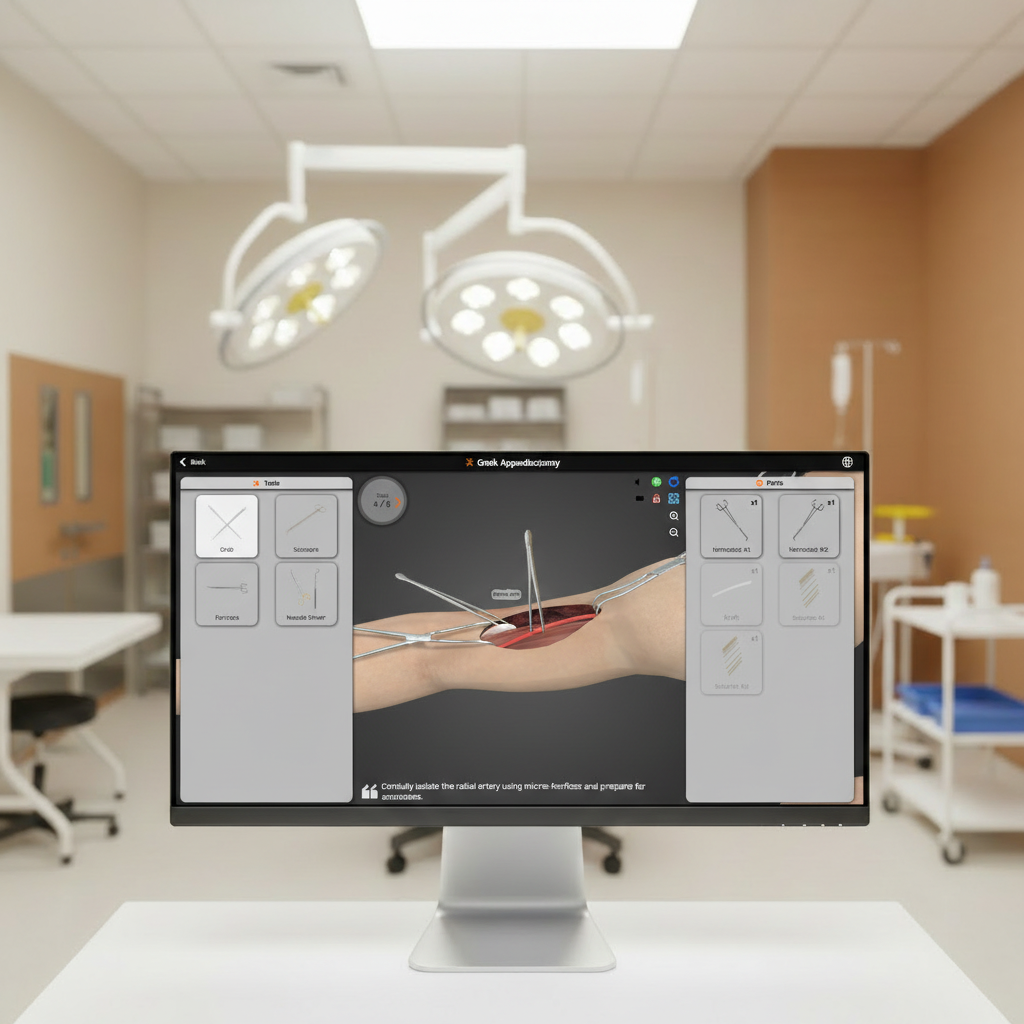
Accessing training when you need it
Schedule periodic refreshers
Introduce new scenarios
Reinforce rarely used procedures
Build long-term confidence
Over time, this leads to stronger skill development and better real-world performance.
The Shift from Events to Ecosystems
Training is no longer just a series of isolated events.
Organizations are moving toward learning ecosystems, environments where employees can continuously access, practice, and improve their skills.
Browser-based simulation plays a key role in this shift by providing:
Accessible, on-demand training
Repeatable and interactive experiences
Scalable delivery across teams
This approach aligns with how people actually learn, through repetition, application, and ongoing reinforcement.
Looking Ahead
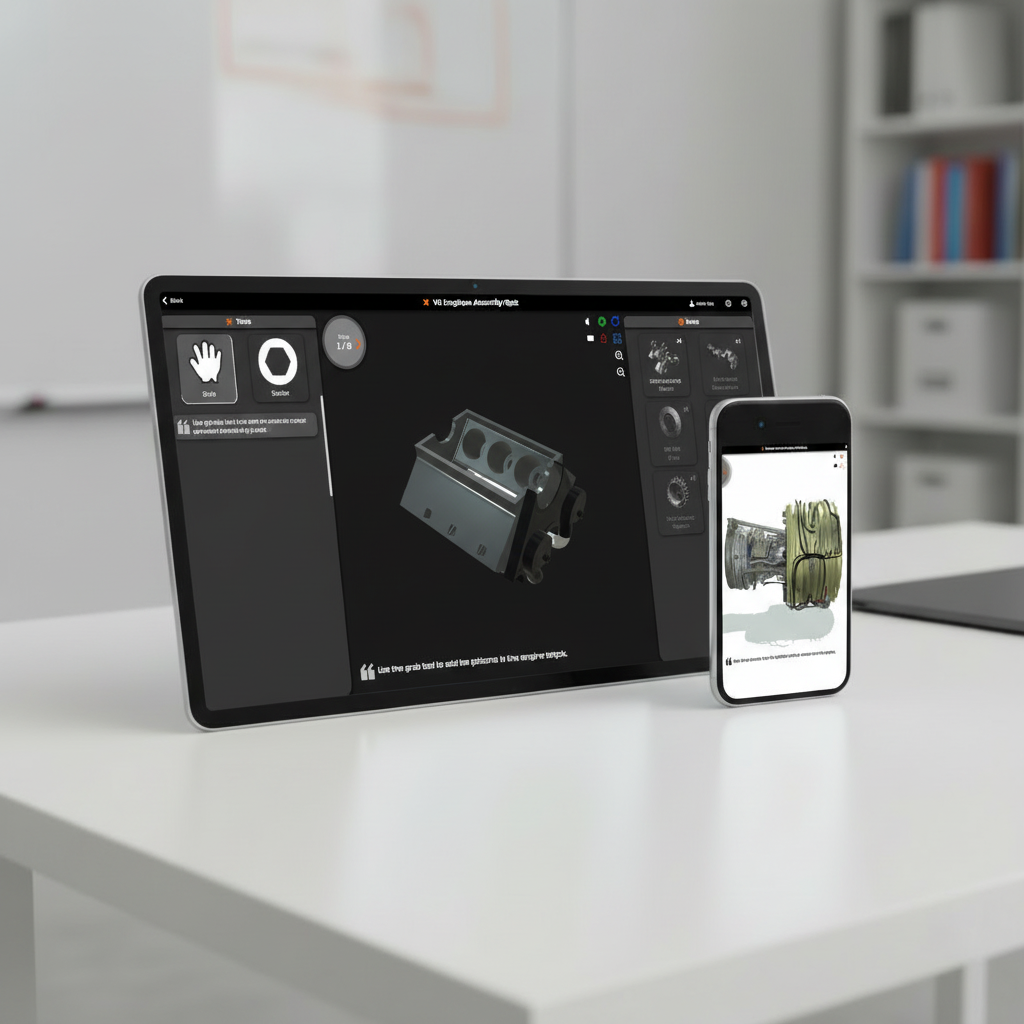
Browser-Based training is more accessible, repeatable, and can be integrated into everyday work.
As workforce demands continue to evolve, the need for continuous learning will only increase.
Employees must be able to adapt quickly, learn new skills, and respond to changing environments. Training programs that rely solely on one-time instruction will struggle to keep pace.
Browser-based simulation offers a practical way to support this ongoing development by making training more accessible, repeatable, and integrated into everyday work.
Final Thoughts
Effective training is no longer defined by completion; it’s defined by performance.
Organizations that embrace continuous learning are better positioned to prepare their workforce for real-world challenges.
By combining simulation-based training with the accessibility of browser-based platforms, companies can move beyond one-time training events and create learning experiences that evolve alongside their employees.
In doing so, they help ensure that when critical moments arise, their teams are not relying on memory; they are relying on practice.