
What Competes With Training Simulators and When Should You Use Each?
Training simulators have become a core part of modern workforce development across industries, from healthcare and manufacturing to aerospace, energy, and logistics.
But they’re not the only option.
Organizations still rely on a range of training methods, each with its own strengths, limitations, and ideal use cases. The real challenge isn’t deciding whether to use simulators; it’s understanding how they compare to other training approaches, and when each makes the most sense.
The Reality: Training Is Not One-Size-Fits-All
Every training decision is shaped by a few key factors:
Risk (what happens if someone gets it wrong?)
Frequency (how often is the task performed?)
Scale (how many people need training?)
Environment (where does training take place?)
Access (how easily can training be delivered?)
Different technologies solve different parts of this equation.
Instructor-Led Training (ILT)
Where It Works
Instructor-led training remains one of the most widely used approaches across industries.
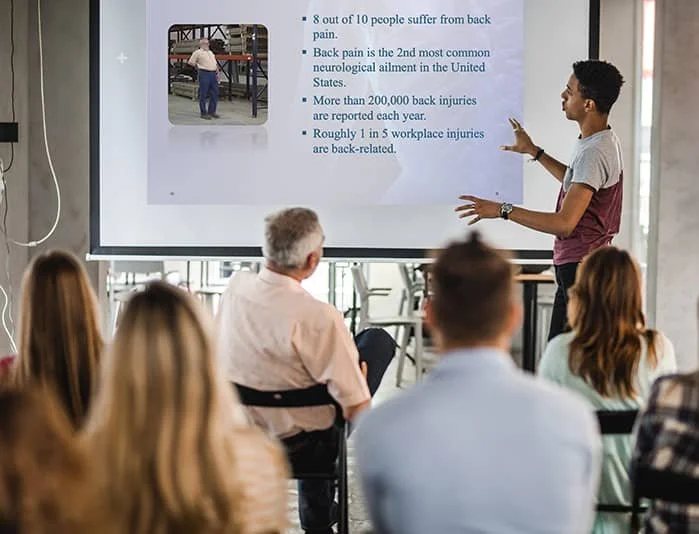
It’s effective for:
Foundational knowledge transfer
Classroom-based learning
Group discussion and Q&A
Limitations
Difficult to scale across locations
Inconsistent delivery between instructors
Limited hands-on repetition
When to Use It
Best for introducing concepts, not for mastering complex procedures.
Video-Based and eLearning Modules
Where They Work
Video and eLearning platforms are often the first step in digitizing training.

They’re commonly used for:
Compliance training
Process overviews
Standardized content delivery
Limitations
Passive learning experience
Limited retention for complex tasks
No real interaction or practice
When to Use Them
Best for awareness and reinforcement, not skill development.
Physical Training and On-the-Job Learning
Where It Works
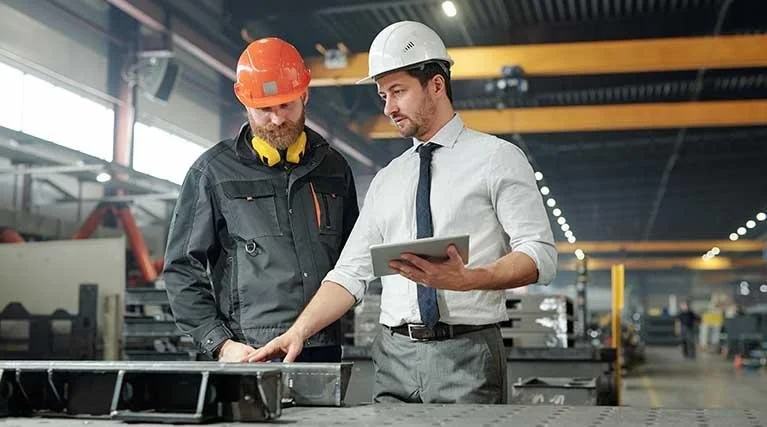
Hands-on training in real environments is still essential in many industries.
Common in:
Manufacturing floors
Clinical environments
Field service and maintenance
Limitations
Risk to equipment, people, or operations
Limited repeatability
Requires supervision and scheduling
When to Use It
Best for final-stage validation, not initial learning.
Immersive Technologies (VR, AR, MR)
Where They Work
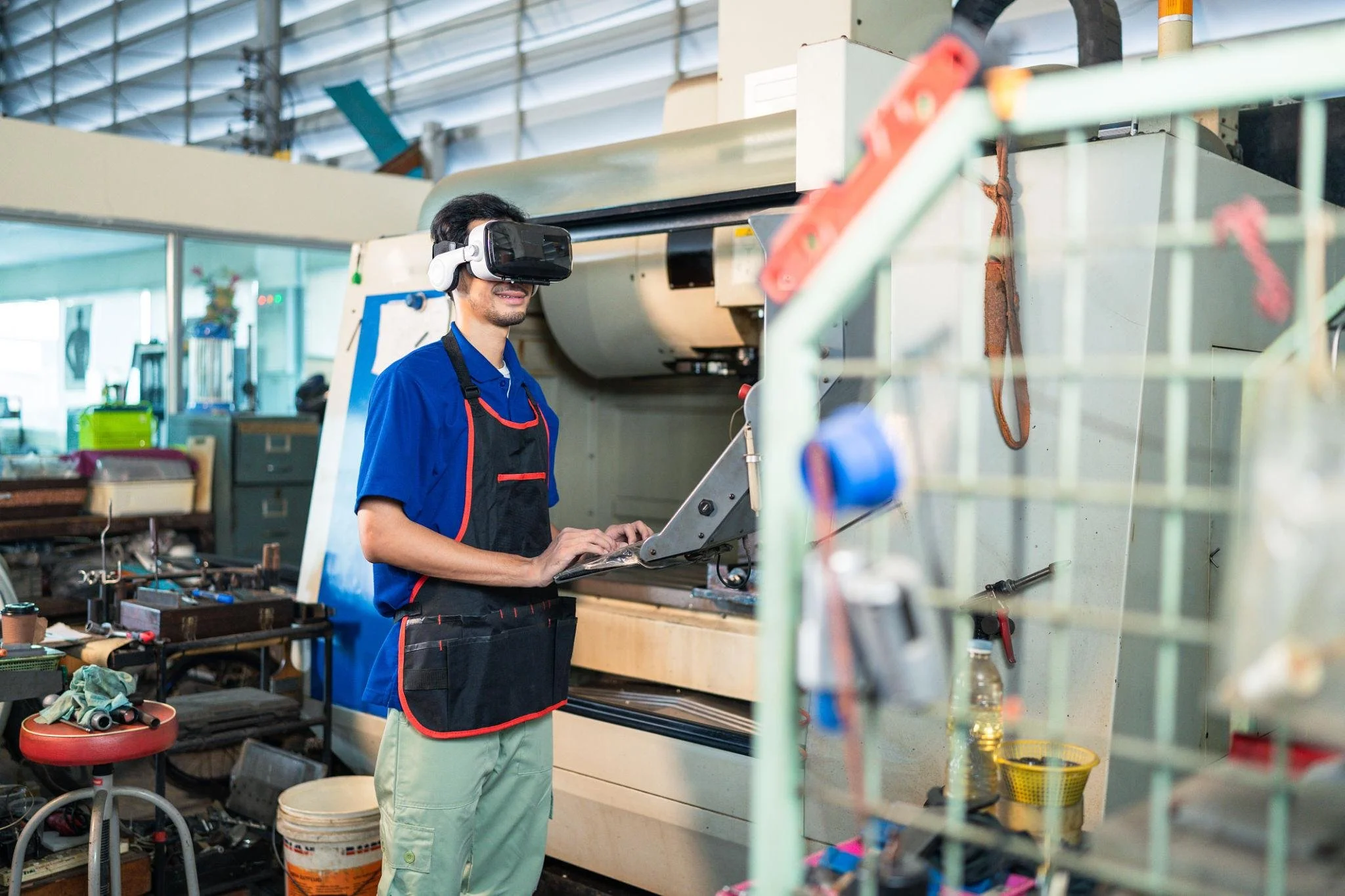
Immersive technologies provide high levels of realism and spatial awareness.
They are effective for:
High-risk or hazardous scenarios
Emergency response training
Situations where real-world exposure is not possible
Limitations
Hardware requirements and cost
Limited scalability across large teams
Scheduling and deployment challenges
When to Use Them
Best for high-impact, low-frequency scenarios where immersion matters most.
Digital Twins
Where They Work
Digital twins simulate how systems behave, often using real-world data.
They are used for:
Operational modeling
Predictive scenarios
System-level understanding
Limitations
High complexity and cost
Not designed for routine training workflows
When to Use Them
Best for system insight and advanced analysis, not day-to-day training.
Training Simulators (Including Browser-Based)
Where They Work
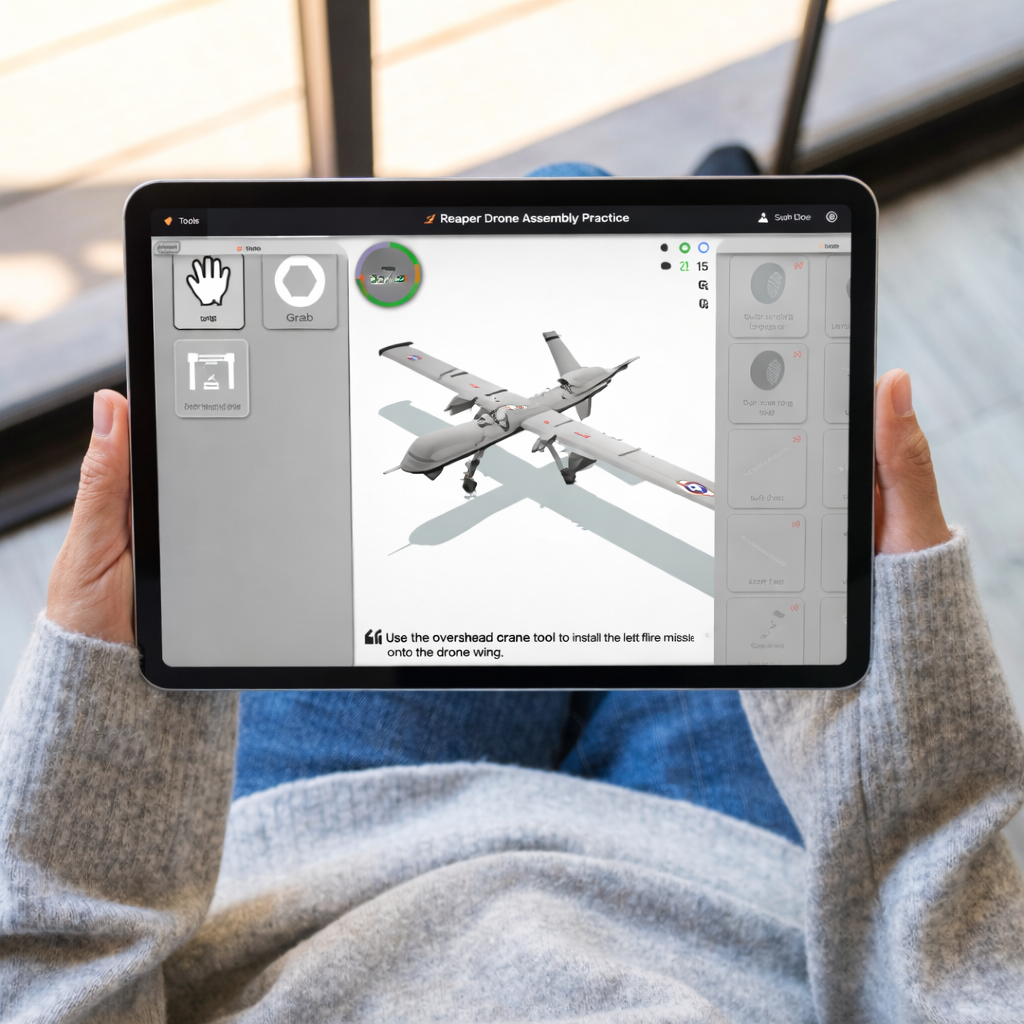
Training simulators sit between passive learning and full immersion.
They are well-suited for:
Procedural training
Equipment operation
Workflow simulation
Repetitive skill development
Advantages
Repeatable and consistent
Lower risk than real-world training
Scalable across locations and roles
Considerations
Less sensory immersion than VR
Requires thoughtful design to match real workflows
When to Use Them
Best for frequent, repeatable training at scale, where accuracy and consistency matter.
The Shift: From Choosing One Tool to Combining Many
Leading organizations are no longer asking:
“Which training technology should we use?”
Instead, they are building layered training strategies, combining:
Instructor-led training for foundational knowledge
eLearning for standardization
Simulators for hands-on practice
Immersive tools for high-risk scenarios
Digital twins for system-level understanding
Each method plays a role depending on the objective.
Our Thought
Training simulators don’t replace other technologies; they fill a critical gap between passive learning and real-world execution.
The organizations seeing the strongest outcomes aren’t choosing one approach. They’re matching the right training method to the right problem.
As training continues to evolve, the advantage won’t come from adopting the newest technology; it will come from using each one intentionally and effectively.