
What Industries Are Using Training Simulators and Where Adoption Is Growing
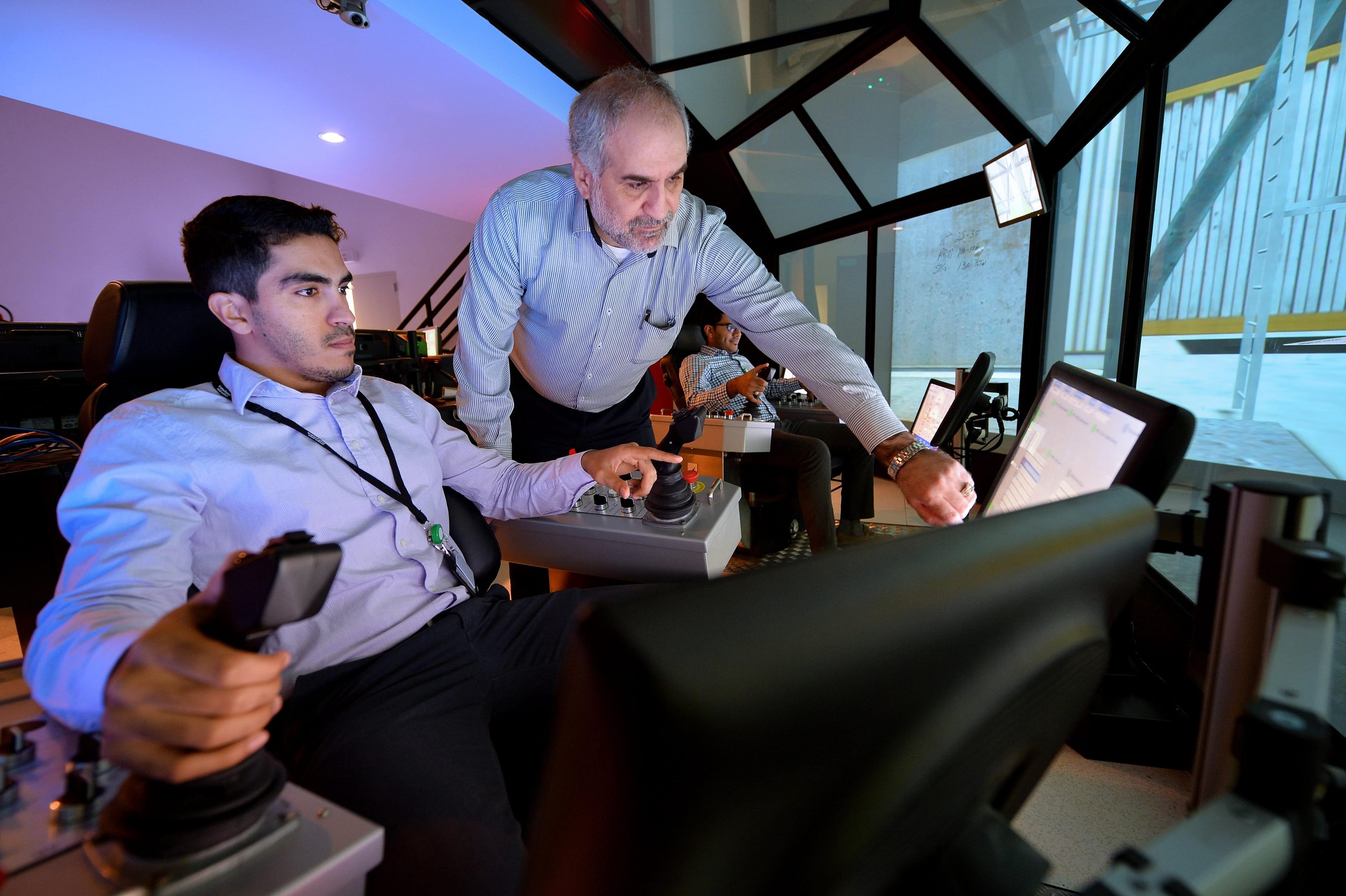
Training Simulator
Training simulators are no longer limited to aviation or highly specialized environments. Today, they are being used and increasingly adopted across a wide range of industries where safety, complexity, and workforce scale intersect.
The growth isn’t driven by one technology. It’s driven by a simple reality:
Organizations need better ways to train people without risk, disruption, or inconsistency.
So where are training simulators being used today, and where are they gaining traction?
Established Industries: Where Simulation Is Already Core
Aviation and Aerospace
Simulation has long been foundational in aviation. Flight simulators are required for pilot certification and allow trainees to practice emergency scenarios, system failures, and extreme conditions without real-world risk.
This industry set the standard for simulation-based training, and others are following.
Healthcare and Medical
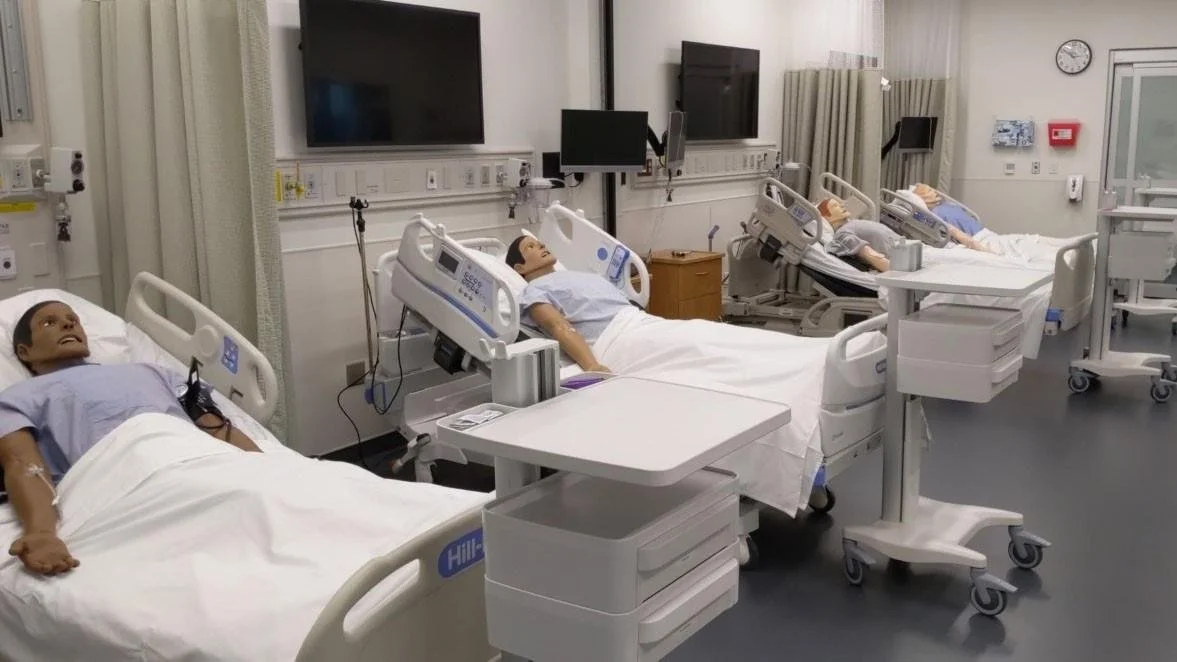
Medical Simulators Mannequins
Healthcare has rapidly adopted simulation for:
· Surgical procedures· Emergency response· Clinical decision-makingSimulation allows clinicians to practice high-stakes scenarios without risking patient safety, which is why it continues to expand across hospitals and medical schools.
Manufacturing and Industrial Operations
Manufacturing organizations use simulation to train workers on:
· Equipment operation
· Maintenance procedures
· Safety protocols
This is especially important in environments where mistakes can lead to injury or production downtime.
Energy, Utilities, and Process Industries
Simulation is widely used in:
· Oil & gas
· Nuclear power
· Chemical processing
These industries rely on simulators to train operators on complex systems and prepare for rare but critical failure scenarios.
Expanding Industries: Where Adoption Is Accelerating
Transportation and Logistics
From aviation to rail to supply chain operations, simulation is being used to train:
· Drivers and operators
· Warehouse teams
· Safety and compliance roles
As logistics networks grow more complex, simulation helps standardize training across distributed teams.
Construction and Field Services
Construction and field-based industries are adopting simulation to:
· Train workers before entering hazardous environments
· Practice safety procedures
· Improve equipment handling
This is particularly valuable where real-world training is costly or dangerous.
Defense and Public Safety
Military, law enforcement, and emergency services use simulation for:
· Tactical training
· Crisis response
· Coordination under pressure
Simulation allows teams to rehearse scenarios that are difficult or impossible to replicate safely in real life.
Automotive and Advanced Engineering
Automotive and engineering organizations use simulation for:
· Assembly training
· Design validation
· Maintenance workflows
Companies like automotive manufacturers have already demonstrated how simulation can scale training across thousands of employees globally.
Emerging Industries: Where Simulation Is Gaining Ground
Life Sciences and Medical Device Companies
Simulation is increasingly used to:
Train clinicians on new devices
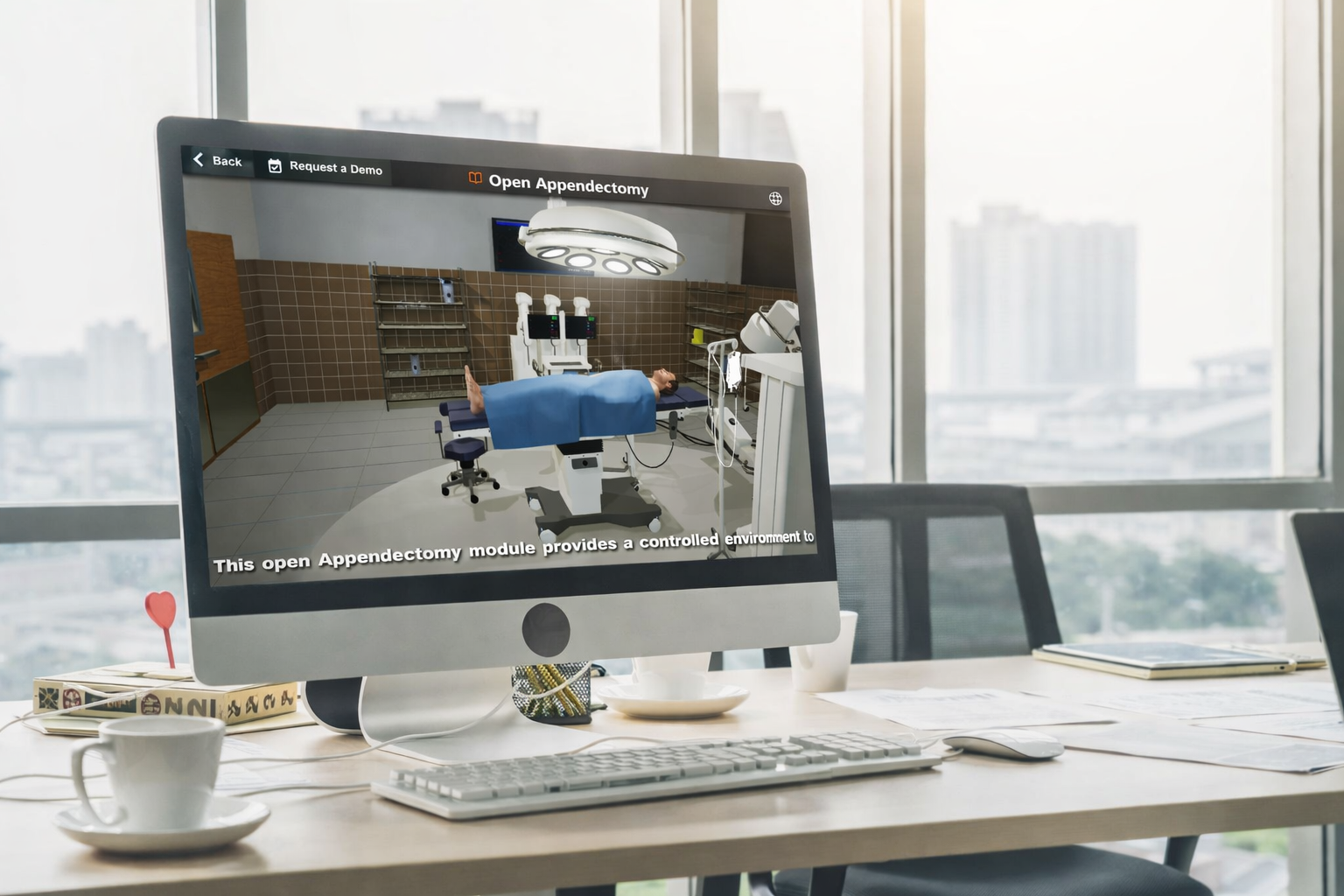
Symtive Browser-Based Surgery Simulator
· Support product adoption
· Enable remote training at scale
· Technology and Software Training
Simulation is being applied to:
· Complex system workflows
· IT operations
· Software environments
In cases where real-world environments are difficult to replicate, simulation provides a controlled alternative.
Retail and Customer Experience
Even customer-facing industries are beginning to use simulation for:
· Scenario-based training
· Customer interaction
· Operational workflows
While less technical, these use cases focus on consistency and repeatability at scale.
Why Adoption Is Expanding Across Industries
The growth of training simulators across industries comes down to a few common drivers:
· Risk reduction – Train without real-world consequences
· Scalability – Reach distributed teams
· Consistency – Standardize training experiences
· Repeatability – Practice as often as needed
· Cost efficiency – Reduce reliance on physical environments
These challenges exist in nearly every industry, which is why simulation adoption continues to expand.
The Bigger Shift: From Niche Tool to Core Strategy
Simulation is no longer viewed as a specialized or experimental tool.
It’s becoming a core component of enterprise training strategies, often combined with:
· eLearning and LMS platforms
· Instructor-led training
· Immersive technologies (VR/AR/MR)
· Digital twins
Organizations are no longer asking:
“Should we use simulation?”
They’re asking:
“Where does simulation fit into our broader training strategy?”
Final Thought
Training simulators are expanding because the underlying need is universal:
prepare people for real-world scenarios, without real-world consequences.
As more industries face increasing complexity, safety requirements, and workforce scale, simulation will continue to move from optional innovation to operational necessity.
The organizations that benefit most won’t be the ones that adopt simulation first, but the ones that use it intentionally, where it delivers the most value.