
Virtual reality has captured the imagination of training leaders, educators, and technologists for years. The promise was compelling: place learners inside realistic, immersive environments where they could practice complex tasks, respond to rare scenarios, and build confidence without real-world risk.

VR technology
That promise still holds true. VR can be incredibly powerful when applied to the right use cases.
Yet despite the excitement and early pilots across industries, VR hasn’t become as mainstream in day-to-day training as many originally expected. It hasn’t failed, and it hasn’t disappeared. Instead, adoption has moved forward more gradually than the early hype suggested.
To understand why, it helps to take a balanced view. VR delivers clear value in certain scenarios, but practical realities around hardware, workflows, deployment, and platform fragmentation have all influenced how quickly organizations have been able to scale it.
The Early Promise of VR Training

When VR first gained traction in enterprise and clinical training, it introduced a fundamentally different way to learn. Instead of reading manuals or watching videos, learners could step inside simulated environments and actively perform tasks. They could walk around equipment, interact with virtual patients, or respond to emergencies in ways that felt far more engaging than traditional training methods.
For high-risk fields like healthcare and manufacturing, this level of immersion opened the door to practicing scenarios that are difficult, dangerous, or expensive to recreate in real life. Early pilot programs often showed strong engagement and positive learner feedback. Many participants reported increased confidence and better retention after immersive practice.
The excitement was justified. VR demonstrated that experiential learning could be delivered in a controlled, repeatable environment.
Where Adoption Began to Slow
As organizations tried to move from small pilots to broader enterprise rollouts, a new set of considerations emerged. What worked well for a limited group in a controlled test environment became more complex when deployed across departments, facilities, and job roles.
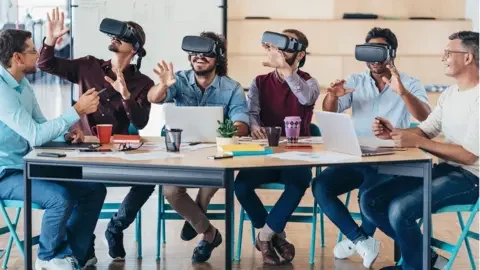
One of the most immediate challenges was hardware logistics. VR headsets require procurement, storage, updates, and ongoing maintenance. In healthcare environments, additional concerns such as cleaning, sanitization, and shared usage protocols come into play. In industrial settings, safety, durability, and compatibility with protective gear must also be considered.
Individually, these factors may seem manageable. At scale, they introduce operational overhead that can slow adoption.
Workflow Friction in Everyday Environments

Training on the manufacturing floor
Another key factor has been how VR fits into daily workflows. Even when the training experience itself is valuable, accessing it often requires stepping away from regular duties, locating the hardware, setting up the session, and then transitioning back to work.
For clinicians moving between patient care responsibilities or technicians working on active production lines, that added friction can reduce how frequently immersive training is used. Over time, convenience and accessibility become just as important as the depth of immersion.
Organizations began to realize that the most effective training solutions are not only engaging, but also easy to access and integrate into busy schedules.
Deployment and Scalability Challenges
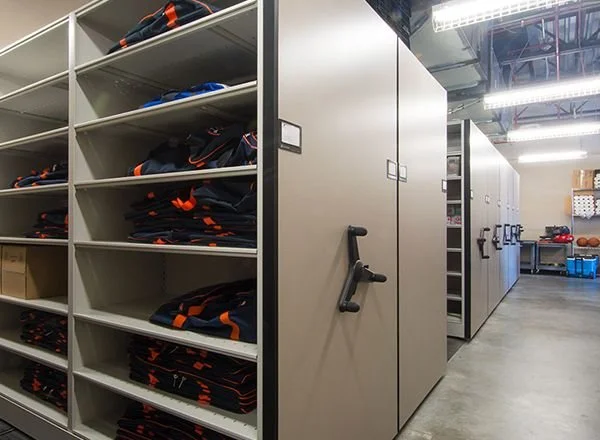
Storing and having access to VR hardware
Scaling VR across large, distributed organizations adds another layer of complexity. Health systems may span multiple hospitals and campuses, while manufacturing companies often operate across numerous plants or global sites. Ensuring consistent hardware availability, technical support, and standardized experiences across all locations requires significant coordination.
IT approvals, device management, and security requirements can also extend deployment timelines. What starts as an innovative pilot can evolve into a broader infrastructure initiative when expanded enterprise-wide.
These realities don’t diminish VR’s value, but they do shape how quickly it can be implemented at scale compared to more easily deployable digital training formats.
The Challenge of Fragmented Platforms
Another often overlooked factor has been the lack of a universal platform across the VR ecosystem. Many solutions have been developed within their own proprietary environments, optimized for specific headsets, content formats, or delivery systems.
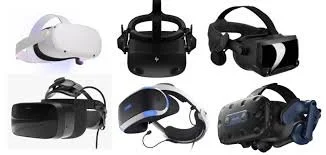
Lack of a universal VR Ecosystems
While this approach allowed rapid innovation in the early stages, it created challenges as organizations tried to integrate VR into existing learning and IT ecosystems. Content built for one platform may not transfer easily to another. User management, reporting, and updates can vary across vendors. Integrating VR experiences with learning management systems or enterprise platforms can require additional customization and coordination.
This fragmentation doesn’t mean VR is ineffective. It simply reflects the natural evolution of a fast-moving technology space where standards are still maturing. However, for organizations seeking long-term scalability and interoperability, the lack of a unified framework has added another layer of complexity to adoption decisions.
Where VR Clearly Delivers Value
Despite these challenges, VR continues to provide strong value in specific, high-impact scenarios. It is particularly effective when the goal is to replicate environments that are dangerous, complex, or impossible to recreate safely in real life.
High-risk procedural training, complex equipment operations, and emergency response scenarios are clear examples. In these contexts, the sense of presence and realism that VR provides can enhance spatial awareness, decision-making, and muscle memory in ways that traditional training methods cannot fully replicate.
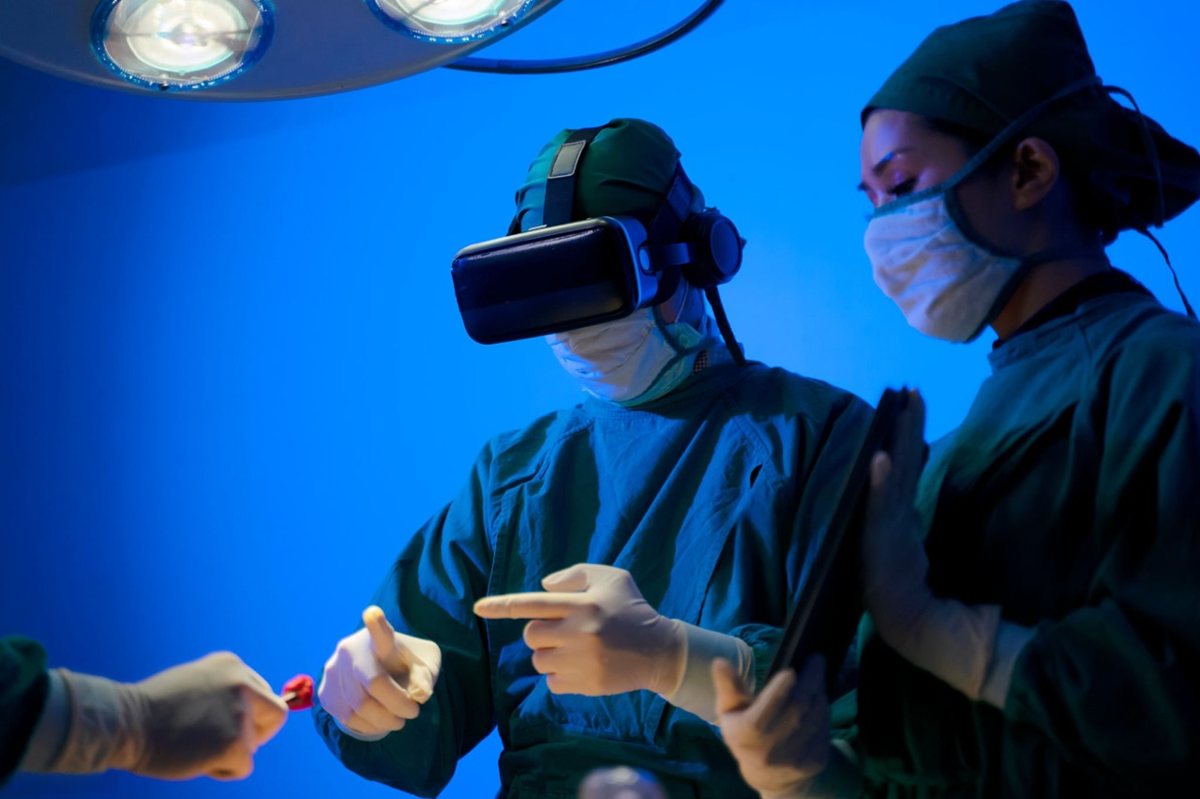
VR being utilized in complex training
VR is also valuable when full environmental immersion is essential, such as navigating confined spaces, interacting with large-scale machinery, or rehearsing coordinated team responses in dynamic situations. In these cases, the added logistical complexity is often justified by the depth of experiential learning VR enables.
A Shift Toward a More Balanced Technology Mix
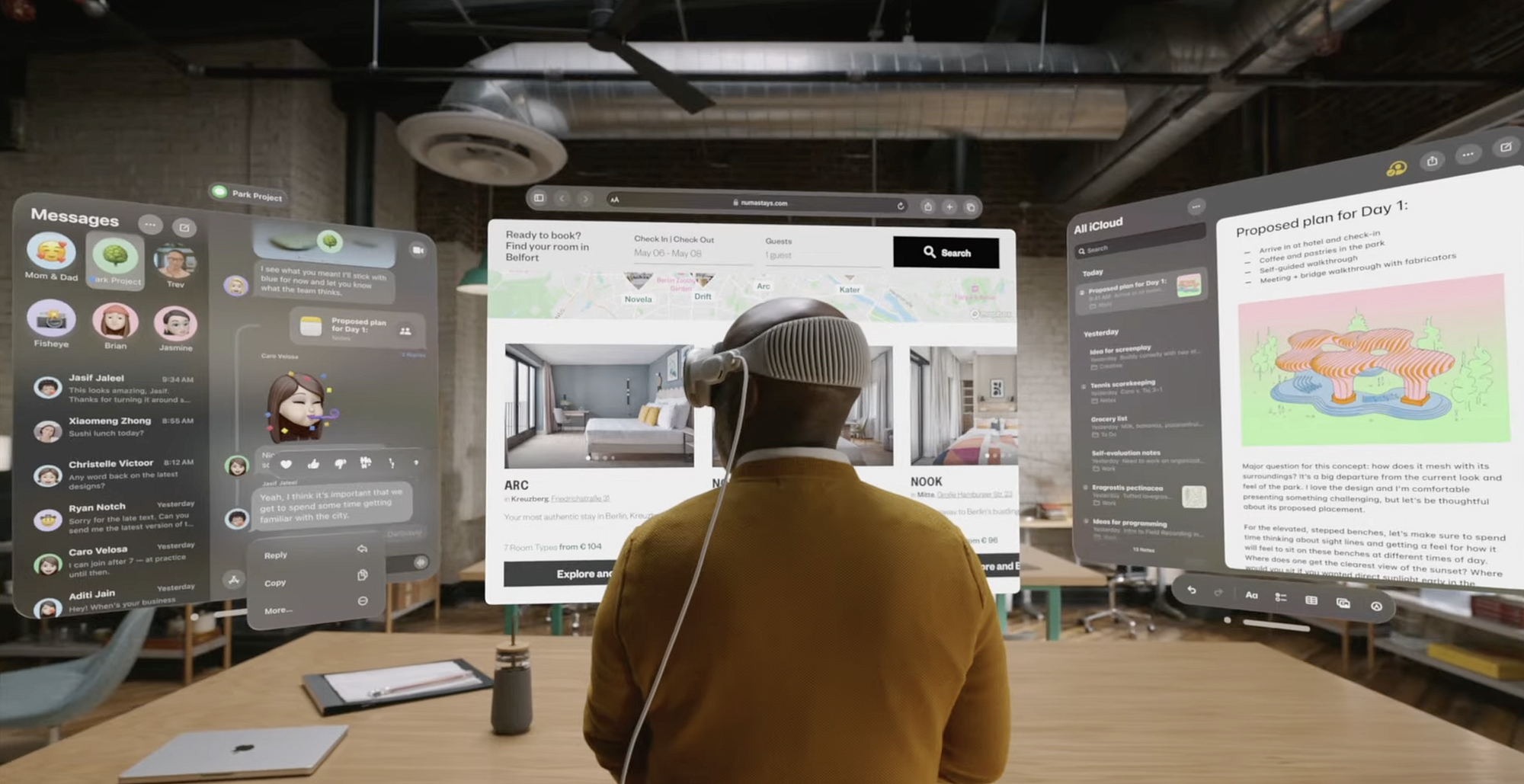
Balance approach - combining immersive technology
As organizations have gained more experience with immersive technologies, the conversation has begun to evolve. Rather than viewing VR as the single solution for all training needs, many are adopting a more balanced approach. They are evaluating which scenarios truly require full immersion and which can be effectively delivered through more accessible formats.
This has led to a broader ecosystem that includes desktop-based 3D simulations, browser-delivered interactive scenarios, and hybrid models that combine hands-on labs with digital practice. Each option offers different strengths in terms of realism, accessibility, and scalability.
The focus is gradually shifting from asking which technology is the most immersive to asking which approach is the most practical and effective for a given training objective.
Looking Ahead
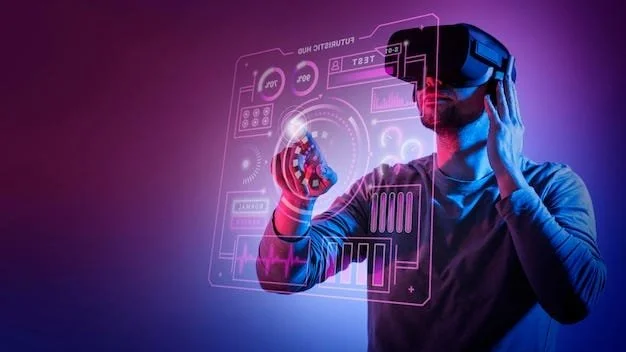
Future of Immersive Training
VR remains an important part of the immersive training landscape. As hardware becomes lighter, more affordable, and easier to manage, some of today’s logistical barriers may lessen. At the same time, continued progress toward more interoperable platforms and integration standards may help reduce fragmentation across the ecosystem.
The slower-than-expected adoption of VR is not a reflection of its lack of value. Instead, it highlights the importance of aligning innovative technologies with real-world operational needs, workflows, and infrastructure considerations.
Our Thoughts
VR has delivered meaningful results, particularly in high-risk and complex training scenarios. The core technology works, and its immersive capabilities remain compelling. The challenge has been less about effectiveness and more about practical implementation at scale.
By acknowledging factors such as hardware logistics, workflow integration, deployment complexity, and fragmented platforms, organizations can take a more informed and realistic approach to immersive training strategies. VR does not need to replace existing methods to be valuable; it simply needs to be applied where its strengths align with the demands of the training environment.
At the same time, many organizations are finding success by pairing VR with other immersive technologies, especially browser-based 3D simulators that are device-agnostic and easier to deploy globally. In this model, VR can be used for deep, high-fidelity experiential learning, while browser-based platforms support scalable, anytime/anywhere reinforcement, assessments, and just-in-time performance support.
In that context, VR becomes not a universal solution, but a powerful component within a broader, flexible learning ecosystem-one that blends VR, browser-based simulation, and other digital modalities to support continuous skill development, operational readiness, and enterprise-wide accessibility.